Choosing between a new build and a historic gem in northeast Coconut Grove can feel like two very different paths to the same Miami lifestyle. You love the Grove’s lush canopy, walkable pockets, and coastal access, but you also want clarity on maintenance, insurance, permits, and flood exposure. In this guide, you’ll get a clear, local look at the real tradeoffs so you can match your priorities to the right home. Let’s dive in.
Neighborhood snapshot: Northeast Coconut Grove
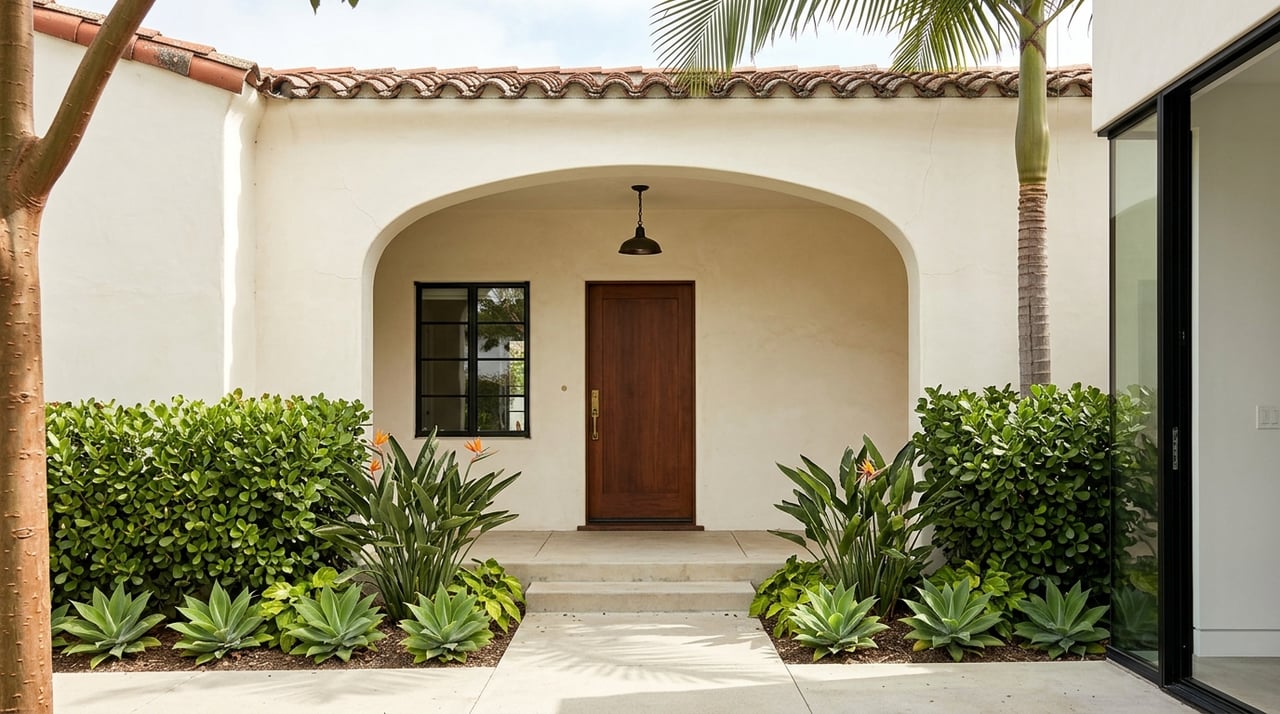
Northeast Coconut Grove blends old-Florida cottages and early estates with modern single-family infill and select waterfront properties. You will find Bahamian and Mediterranean-Revival influences alongside clean-lined contemporary homes, often on irregular or tree-filled lots that shape how homes sit on the street. Local architectural surveys document this range and help explain why buyers value the area’s character and variety of styles. For background, see the Coconut Grove context in the Dade Heritage Trust’s architectural report.
As a market, the Grove trades at a premium within Miami-Dade. In recent months, median sale prices across 33133 have been in the low to mid millions, with price per square foot well above metro averages. Always check current data at the time you buy, since inventory and pricing can move quickly.
Many properties fall near locally designated historic resources or districts. That adds clear benefits for character and preservation, and it can add rules for exterior work. In the City of Miami, certain changes to historic properties require a Certificate of Appropriateness. Learn how the process works and when you may need staff or board review on the City’s historic property page at Repair or Renovate a Historic Property.
Architecture and layout: Character vs turnkey
Historic homes: One-of-a-kind charm
Historic homes in the Grove often include pre-1950s wood-frame or masonry construction, Bahamian or Key West vernacular details, and Mediterranean-Revival influences. You get unique floor plans, period materials, and mature landscaping that can be hard to replace. The tradeoff is that some systems may be outdated or non-compliant by today’s standards, which can affect renovation scope and insurance. The Dade Heritage Trust’s survey offers useful context on style and era across Coconut Grove’s historic housing.
New construction: Modern systems and ease
Newly built homes are designed around open living, larger kitchens and baths, integrated HVAC and MEP systems, and smart-home wiring. They must meet current Florida Building Code cycles, including the 2023 energy provisions, which set modern standards for structure, wind resistance, and efficiency. For a high-level view of the current code, see the Florida Building Code energy summary.
Maintenance realities in the Grove
Historic homes: Plan for targeted upgrades
South Florida’s climate and construction eras shape recurring needs for older homes:
- Termites and wood-destroying organisms. Subterranean and Formosan termites are established in South Florida. A WDO inspection is standard here. Learn more from University of Florida termite research.
- Aging systems. Galvanized supply lines, cast iron drains, and older electrical panels are common in older homes. An inspector may recommend specialist follow-ups for electrical, structural, or sewer-scope work. See InterNACHI’s guidance on historic homes for typical checks.
- Moisture management. Humidity, roof age, and older flashing details can allow water intrusion. Prevention plans often include roof upgrades, new flashing, and mold remediation if past issues were not fully resolved.
New construction: Lower near-term upkeep, coastal care needed
New builds reduce near-term replacements, but coastal exposure still matters. Salt air accelerates corrosion on metal fasteners, outdoor hardware, and some mechanical components. A coastal maintenance plan helps protect finishes and systems, especially on or near the bay.
Codes, energy, and insurance premiums
Florida Building Code and efficiency
New homes must comply with the current Florida Building Code cycle, including the 2023 energy provisions that address envelope, insulation, HVAC efficiency, and compliance paths. Renovations on older homes may trigger parts of the existing-building code, but they will not always bring a property fully up to new-build standards without deliberate retrofits. Review the Florida Building Code energy overview for context.
Wind mitigation and insurance pricing
Florida insurers use a standard wind-mitigation inspection to document hurricane-hardening features that can lower premiums. Impact-rated openings, roof-to-wall connectors, sealed roof decks, and modern roof coverings can deliver credits. Many historic homes need upgrades to qualify for these savings, while new construction usually meets or exceeds these criteria. See the state’s inspection form, the OIR-B1-1802, for the checklist used to evaluate features.
Grants that can change the math
If you plan to harden an older home, monitor the statewide My Safe Florida Home program. The grant windows help fund wind upgrades like impact windows, doors, and qualifying roof work, subject to eligibility and timing. Recent cycles have reopened with updated criteria. See the latest update in the state CFO’s program announcement.
Flood, elevation, and waterfront specifics
Parcel-level flood risk varies in the Grove. Some inland pockets sit higher on the Miami Rock Ridge, while low-lying and bayfront areas are more exposed to tidal flooding and storm surge. Always pull the FEMA flood zone and Base Flood Elevation for any address, and check whether there is an elevation certificate on file. Start with the FEMA Flood Map Service Center.
For long-term planning, explore the NOAA Sea Level Rise Viewer to visualize scenarios over multiple decades. Waterfront properties can add private water access and views, but you should also evaluate seawall age and condition, permits, and potential replacement costs. Proper marine and shoreline maintenance is essential, and permitting often involves city, county, and state coordination.
Trees, lots, and privacy
Coconut Grove’s mature canopy is a signature amenity. Large banyans and native hammock species provide shade and privacy, and they influence driveway placement, additions, and utility lines. Tree protection rules often require permits for removal and mitigation planting during development or renovation. For a county-level look at canopy initiatives, see Million Trees Miami.
Timelines, approvals, and hidden costs
Historic property approvals
If a home is historically designated or lies within a district, certain exterior changes may need a Certificate of Appropriateness. Small repairs can be staff-reviewed, while major alterations or demolitions often go to the Historic & Environmental Preservation Board. Build extra time into your plan for applications, public notice, and board scheduling. Review the City process here: Repair or Renovate a Historic Property.
New construction timelines
A typical single-family infill build often runs 6 to 18 months from permitted start to completion, depending on site conditions, code reviews within the High Velocity Hurricane Zone, contractor availability, and any tree, driveway, or utility permits. Waterfront or seawall work adds coordination across agencies and can extend timelines.
Renovation cost drivers to anticipate
Every property is unique, but frequent budget items in older homes include roof replacement, electrical panel upgrades, whole-home re-piping, termite remediation, sewer-line repair or replacement, and impact-window installation. Costs vary widely by access and scope. Always get bids from local, licensed contractors before you finalize an offer.
Which fits your priorities?
- You want low maintenance, predictable systems, and easier insurance. New construction or recently remodeled homes tend to offer code-compliant wind features, modern energy performance, and fewer near-term surprises.
- You want character, mature landscaping, and a unique sense of place. A historic home can deliver those intangibles in spades. You will trade for more hands-on maintenance and additional reviews for exterior changes, but many buyers feel the lifestyle payoff is worth it.
- You want waterfront access and views. Expect a premium for bayfront properties and plan for seawall and dock maintenance, plus evolving flood and sea-level planning over time.
Due-diligence checklist for Coconut Grove buyers
Use this as a starting point during inspection and the offer period.
Historic or older home
- Is the home designated or within a City of Miami historic district? If yes, confirm what exterior changes need a COA or Special COA. See the City’s historic property guidance.
- Roof documentation. Ask for permits and a current roof certification showing age, roof-to-wall connectors, and underlayment details that affect wind credits.
- WDO/termite. Order a wood-destroying organism inspection and ask about prior treatment and any transferable warranty. See UF termite research.
- Plumbing and sewer. Request a sewer-scope if the house is older or has mature trees over the line. Ask about galvanized supply lines or cast iron drains and the cost to re-pipe.
- Electrical. Verify service capacity and panel type meet modern standards. Consider a licensed electrical contractor evaluation. See InterNACHI’s historic home checklist.
- Moisture history. Look for signs of past leaks or mold and ask if root causes were fixed.
New construction or recent build
- Permits and finals. Confirm closed permits and finals for the structure and systems. Ask which energy-code compliance path was used and whether any third-party commissioning was performed. Background info is available in the Florida Building Code energy summary.
- Wind-mitigation features. Get documentation for impact windows and doors, roof attachments, and other credits so your inspector can issue a current OIR-B1-1802 report for your insurer.
Site and coastal specifics
- Flood and elevation. Pull the FEMA flood zone and Base Flood Elevation, and ask about an elevation certificate. Start at the FEMA Flood Map Service Center and pair it with the NOAA Sea Level Rise Viewer for long-range scenarios.
- Seawall and dock. Request permits, age, and service records. Engage a marine contractor for a condition assessment and ballpark replacement costs if needed.
Insurance and incentives
- Homeowners and flood coverage. Ask your insurance agent for a draft quote and whether a 4-point inspection or roof age limits apply. Confirm what documentation is needed for wind credits using the state form, the OIR-B1-1802.
- Grants. If you plan hardening upgrades, review eligibility and timing for the My Safe Florida Home program.
Ready to compare specific addresses in northeast Coconut Grove and line up the right inspectors and questions? Reach out to Vella Real Estate for boutique, concierge guidance tailored to your goals.
FAQs
What makes northeast Coconut Grove different for buyers?
- A tight mix of historic cottages, mid-century homes, and modern builds on tree-filled lots creates real tradeoffs in renovation scope, insurance, and flood exposure, so due diligence is essential.
How do Miami historic designations affect renovations in Coconut Grove?
- Certain exterior changes may require a City of Miami Certificate of Appropriateness, which can add application time and review steps; see the City’s guidance before planning work.
How can wind-mitigation features lower my insurance in Miami-Dade?
- Features like impact windows, roof-to-wall connectors, and sealed roof decks can earn credits when documented on the state’s OIR-B1-1802 inspection form, often lowering premiums.
What should I check about flood risk in Coconut Grove?
- Verify FEMA flood zone and Base Flood Elevation, ask for any elevation certificate, and use NOAA’s Sea Level Rise Viewer to understand longer-term coastal scenarios.
Are there Florida grants for hurricane upgrades on older homes?
- Yes, the My Safe Florida Home program has offered inspections and matching grants for upgrades like impact glazing and roof work, subject to eligibility and funding cycles.
Do new builds in the Grove meet current energy and wind codes?
- New construction must follow the current Florida Building Code, including 2023 energy provisions, so structural and efficiency elements are modern by default.
