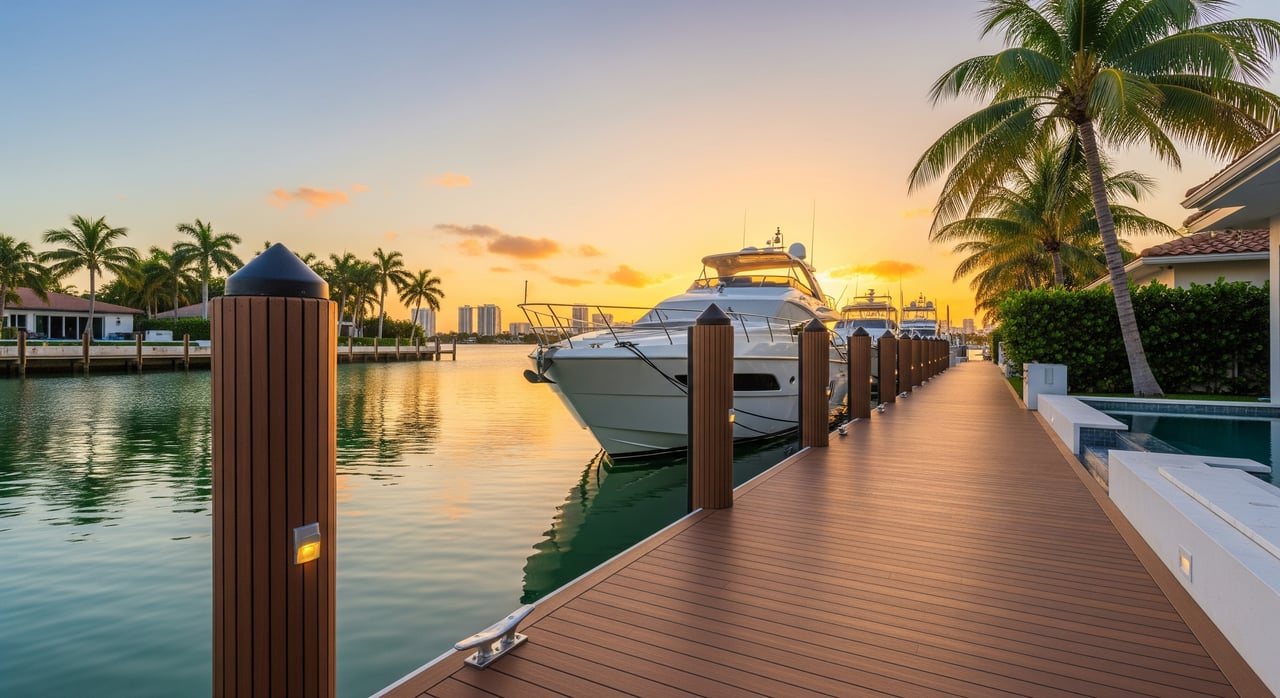
Thinking about buying or upgrading a waterfront home in Eastern Shores and wondering what it takes to have a great boat dock? You’re not alone. Docks can elevate daily life on the water, yet they also come with rules, timelines, and upkeep that are easy to overlook. In this guide, you’ll learn how permitting works, which dock types fit local waters, what to budget, and how to protect your investment and Biscayne Bay. Let’s dive in.
Know your permits and who to call
Building, replacing, or repairing a dock in Eastern Shores requires coordination with local and state agencies. Requirements vary by the exact city jurisdiction and by the scope of work, so confirm the property’s municipality first.
- Miami-Dade County RER (Building and Permitting): Local permits for docks, seawall tie-ins, setbacks, electrical, and inspections.
- Local municipality: Some neighborhoods have city-level shoreline rules and HOA overlays. Secure HOA approvals before permitting if they apply.
- Florida Department of Environmental Protection (FDEP): State permits for work on or over submerged lands, mangroves, or seagrass, and coastal construction.
- U.S. Army Corps of Engineers (USACE): Federal review for structures over navigable waters or dredge and fill activities.
- South Florida Water Management District (SFWMD): May be involved for water control or adjacent wetlands.
- FWC and NOAA/NMFS: Guidance and timing restrictions for protected species such as manatees.
- FEMA: Flood zone maps and standards that can influence elevation and insurance.
Typical triggers include any in-water work, installing or replacing pilings, modifying a marina or lift, trimming mangroves, or adding electrical service. Expect plans, surveys, and engineering documents as part of submittals.
Typical timeline:
- Site consultation and survey: 1 to 4 weeks.
- Application prep and engineering: 2 to 8 weeks.
- Permit reviews: 2 to 8 weeks for local, and 60 to 120 days or more for combined state and federal reviews. A total of 2 to 6 months from design to approvals is common. Emergency repairs can move faster.
Dock types that fit Eastern Shores
Eastern Shores sits on sheltered coastal waterways connected to Biscayne Bay. The right design balances water depth, tidal movement, and wave exposure with your boating needs.
- Fixed pile-supported docks: Stable, long-lasting platforms set on driven pilings. Good for predictable water levels and firm seabeds. Higher upfront cost and more permanent.
- Floating docks: Ride the tide and connect by a gangway. Useful where water levels vary or seabeds are soft. Easier to remove or adjust, though floats and anchoring need periodic care.
- Hybrid systems: Fixed access with a floating slip section. A practical option for mixed conditions.
- Seawall with finger piers or wet slips: Common along narrow canals. Be sure the access channel depth and turning radius match your boat.
If you plan to keep the boat on a lift, verify that the dock structure and power supply can support the lift’s load and use.
Materials and equipment choices
Materials affect appearance, lifespan, maintenance, and heat underfoot.
- Pressure-treated wood: Cost-effective and classic. Requires sealing and periodic board replacement. Vulnerable to marine borers over time.
- Tropical hardwoods (like ipe): Durable and attractive with a premium price. Consider sourcing and sustainability.
- Composite decking: Low maintenance and clean look. Higher upfront cost and can feel hot or slick when wet.
- Aluminum framing: Light, corrosion resistant, often paired with composites. Good for long service life.
- Concrete: Durable and common for pilings or fixed structures. Heavier and more expensive with bigger equipment needs.
Pilings may be treated timber, concrete, steel with coatings, or fiberglass. The right choice depends on loads, depth, and local marine conditions.
Boat lifts and mooring:
- Options include cradle lifts, hydraulic or air-bag systems, davits, and PWC lifts.
- Match capacity to your boat’s weight and hull type. Consider service access, wind ratings, and tidal range.
- Costs scale with capacity and automation.
Protect Biscayne Bay wildlife
Eastern Shores is part of the Biscayne Bay system. Sensitive resources shape design and construction timing.
- Seagrass and submerged habitat: Piling placement, dredging, or prop wash can damage seagrass beds. Permits often require avoidance and turbidity controls.
- Mangroves: Trimming, removal, or alteration is tightly regulated and may require mitigation or replanting.
- Manatees: These protected species frequent local waters. Expect construction windows, speed caution, and best practices to minimize disturbance.
- Clean boating: Discharging untreated sewage is restricted. Ensure pump-out access and follow responsible disposal.
Designs that avoid impacts and respect seasonal work windows generally move more smoothly through reviews.
Rights, HOAs, and neighbors
Owning waterfront property typically includes riparian or littoral rights to access water, construct reasonable structures, and moor vessels. Those rights are limited by state ownership of submerged lands, the public trust, and permitting.
- HOAs and covenants: Many Eastern Shores homes fall under HOA rules that control dock size, style, lighting, and boat types. Secure approvals early.
- Shared features: Seawalls, bulkheads, or riparian easements can affect who pays for repairs and where you can build. Review title, plats, and recorded easements before you plan.
- Setbacks and view corridors: Local rules may influence placement and height. Neighbor coordination can avoid conflicts over mooring and access.
What docks cost and how to budget
Budgets vary by length, materials, depth, pilings, lifts, and permitting complexity.
- Small floating dock repair or replacement: Low thousands to mid-teens of thousands of dollars.
- New residential fixed dock, basic: Often tens of thousands. A common range is about $20,000 to $75,000 depending on site conditions and materials.
- Boat lifts: Roughly $10,000 for simpler systems and $30,000 or more for larger hydraulic or custom installs.
- Seawall repairs or replacements: Can exceed dock costs. Factor them into total project planning.
Complex permits, deeper pilings, dredging, and hurricane-ready designs can raise costs. Obtain multiple quotes from local marine contractors with references.
Maintenance, lifespan, and insurance
Even low-maintenance materials need periodic attention in saltwater.
- Inspection and care: Wood decks need sealing and board replacement. Composite and aluminum systems reduce routine work but still need hardware checks. Lifts require service for motors, cables, and gearboxes.
- Lifespan: Wood docks often last 10 to 25 years with consistent care. Composites, aluminum, and concrete components can extend service life when well maintained.
- Insurance and liability: Standard homeowner policies may not fully cover dock structures or boating risks. Some owners add boat insurance and confirm whether the dock is covered as an other structure, and how wind, flood, and hurricane events are treated. FEMA flood zones can influence coverage terms.
Build or replace: timeline and steps
If you are planning a new dock or major repairs, organize your plan to save time and avoid rework.
- Confirm jurisdiction: Determine if the property is in a city or unincorporated area and call the appropriate building department.
- Review title and HOA rules: Check deed, plats, easements, and recorded covenants. Secure HOA approvals before you submit permits.
- Order a current survey: Show the mean high water line, seawall location, and nearby structures.
- Collect existing records: Ask the seller or previous owner for permitted plans and inspections for docks and seawalls.
- Hire local experts: Engage a marine contractor or structural engineer familiar with Miami-Dade permitting and Biscayne Bay environmental constraints. Request multiple bids and references.
- Prepare applications: Include engineering, environmental reviews, and electrical plans if adding power or lifts. Expect local building, FDEP, and possibly USACE reviews.
- Plan for 2 to 6 months: Allow time for agency reviews and possible revisions. Build with hurricane and flood resilience in mind.
- Schedule inspections: Coordinate required inspections for structural and electrical work. Keep documentation organized for future resale.
Storm season prep and safety
Storm-ready design and simple routines reduce risk in the summer and fall.
- Storm-hardening choices: Consider removable or modular sections, floating components that can be taken inboard, elevated fixed docks, reinforced pilings, and lifts rated for local wind loads.
- Pre-storm actions: Remove small craft or store inland, secure lines per installer guidance, unplug shore power, and stow loose items.
- Post-storm checks: Inspect pilings, decking, and hardware. Look for cracks, shifted elements, and submerged debris. Only restore electrical service after a qualified inspection.
Buyer and seller quick checklist
Use this as a starting point when evaluating a dock during a purchase or sale.
- Confirm the municipality, zoning, and flood zone.
- Review title, plats, easements, and HOA covenants.
- Obtain a recent survey with the mean high water line and existing structures.
- Request prior permits, final inspections, and plans for the dock and seawall.
- Ask about seagrass, mangroves, and protected species constraints.
- Verify lift capacity and electrical compliance, including GFCI and marine-grade components.
- Get maintenance records and contractor warranties if available.
- Gather insurance quotes that include dock and boat coverage.
A well-permitted, well-built dock supports your lifestyle and resale value. With the right plan, you can enjoy easy boating access while respecting Biscayne Bay’s environment and local rules.
Ready to map out your next steps or evaluate a dock before you buy or sell? Book an appointment with Vella Real Estate for local guidance tailored to Eastern Shores and nearby waterfront enclaves.
FAQs
Permitting for private docks in Eastern Shores
- Expect local building permits and, for in-water work, state and possibly federal reviews, with total timelines commonly 2 to 6 months from design to approval.
Choosing between fixed and floating docks
- Fixed docks offer stability and longevity, while floating docks handle tidal changes better and can be removed or adjusted more easily.
Environmental rules near Biscayne Bay
- Projects must avoid impacts to seagrass and mangroves and follow protected species guidance, often with seasonal work windows and mitigation.
Typical dock and lift costs in Miami-Dade
- Basic fixed docks often range about $20,000 to $75,000, and lifts can run from roughly $10,000 to $30,000 or more depending on capacity and features.
Insurance for docks and boats at home
- Standard homeowners insurance may not fully cover docks or boating liability, so confirm other structure coverage and consider separate boat insurance.
Storm prep for docks and lifts
- Secure loose items, follow installer guidance on lines and power, and consider removable or hurricane-rated components to reduce damage risk.
HOA approvals and neighbor considerations
- Review covenants and secure HOA approval early, and check easements, shared seawalls, and setbacks to prevent placement or access disputes.
