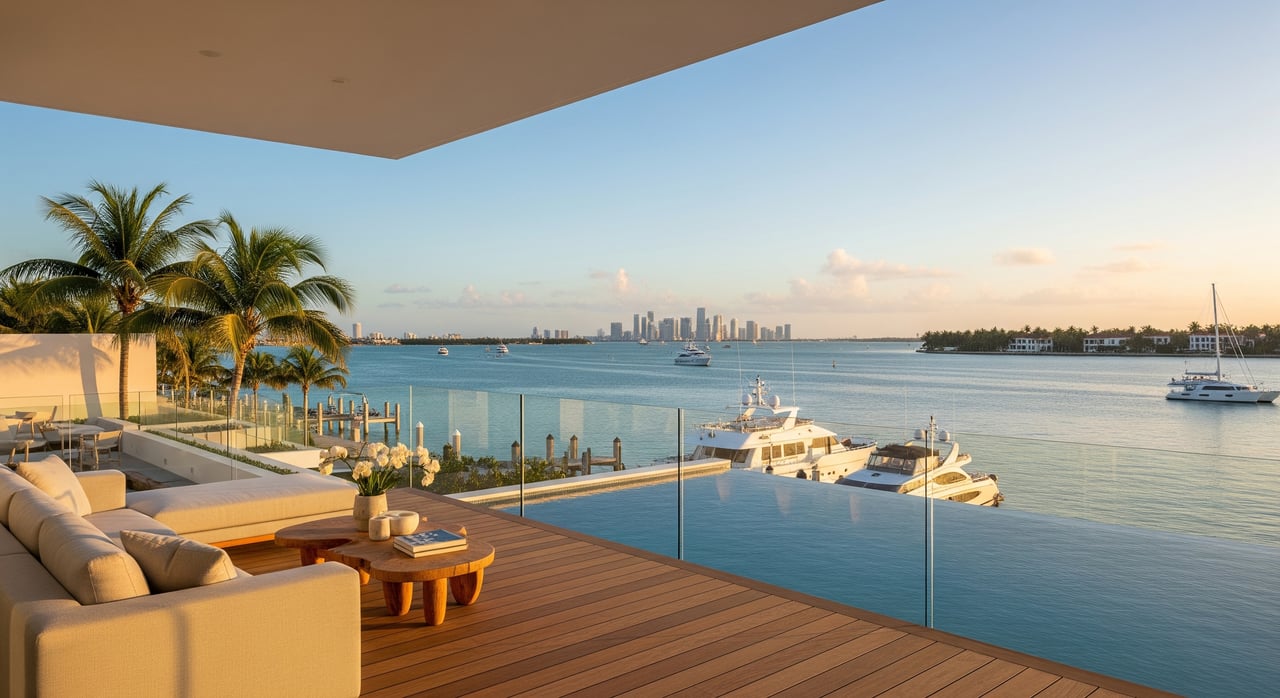
Ever wondered what island living feels like without leaving Miami? If you crave water views, quick access to beaches, and a quieter pace near the city, North Bay Village might be your sweet spot. You want a clear picture of day-to-day life, commute realities, and what to expect from condo and HOA ownership. This guide walks you through lifestyle basics, housing considerations, and practical steps to decide if the village fits your goals. Let’s dive in.
North Bay Village at a glance
North Bay Village sits in Biscayne Bay between mainland Miami and Miami Beach. It is a compact municipality made up of three close-knit islands: North Bay Island, Harbor Island, and Treasure Island. The setting is highly water-oriented, with marinas, canals, and many waterfront parcels shaping the experience.
You will find a mix of mid-rise and high-rise condos, some garden-style apartments, and a limited number of low-rise or single-family homes. Many buildings offer bayside views and, in some cases, docks or marina access. The scale feels intimate compared to larger Miami neighborhoods, with services clustered along main corridors and waterfront strips.
The village has its own local government, police department, and city services. For permitting, ordinances, and local contacts, you can consult the city directly. That municipal structure helps keep the focus on island needs and community priorities.
Lifestyle and amenities
Waterfront routine
Boating, fishing, paddleboarding, and kayaking are part of everyday life here. Access to Biscayne Bay is immediate, and Miami Beach is just across the water for easy beach days. If you love sunrise paddles or sunset bay cruises, the village makes those moments feel effortless.
Dining and daily essentials
Expect a modest but scenic dining scene, including waterfront bars and seafood spots. For a broader range of restaurants, nightlife, and retail, residents often head to nearby Miami Beach, Downtown, Mid-Beach, Sunny Isles, or Aventura. You will find convenience markets and specialty shops on the islands, while major supermarkets and big-box retailers are a short drive away on the mainland.
Parks and outdoor time
There are small parks and waterfront access points within the village. Larger parks, cultural venues, and destination recreation areas are close by in Miami Beach and on the mainland. It is easy to mix quiet island walks with quick trips to bigger amenities.
Schools and healthcare
Public education is administered by Miami-Dade County Public Schools. Families also look to nearby Miami and Miami Beach for daycare and private school options. Healthcare access is straightforward, with major hospitals and urgent care centers a short drive away in Miami and Miami Beach.
Community mix
You will meet a blend of full-time residents, seasonal owners, and investors. Some buildings have long-term neighbors while others skew newer or second-home focused. The result is a diverse yet relaxed island environment that stays connected to the greater Miami scene.
Getting around
Driving and bridges
Causeways and bridges link the islands to the mainland and Miami Beach. Off-peak, typical drives to Downtown Miami or Miami Beach often fall in the 10 to 25 minute range, depending on the destination. During rush hours or major events, traffic can back up at bridge access points, so it helps to plan ahead.
Transit, biking, and walking
Miami-Dade Transit buses serve parts of the area, but there is no Metrorail station on the islands. Many residents rely on driving, rideshare, or car services for most trips. Walking and biking work for short local errands, though comfort and safety vary by street and traffic conditions.
Airport access
Miami International Airport is typically a 15 to 35 minute drive depending on traffic. For frequent travelers, the island location offers a practical balance of convenience and calm.
Housing and real estate basics
What you will find
Inventory is dominated by waterfront condominiums across a range of building ages and styles. You can find older garden or mid-rise buildings alongside newer towers with modern amenities. Because condos are prevalent, HOA governance, building rules, and monthly dues are central to the ownership experience and long-term costs.
Flood risk and insurance
North Bay Village’s bayfront setting means many parcels fall within FEMA flood zones. Flood insurance is often required for mortgages in Special Flood Hazard Areas, and wind or hurricane coverage is a significant factor in coastal ownership costs. Premiums vary by building construction, elevation, and insurer, so quotes should be part of your early budgeting.
Resilience and infrastructure
Miami-Dade County and local municipalities continue to plan and invest in resilience, including stormwater improvements and related infrastructure. If you are thinking long term, review county plans and any village projects to understand how resilience may affect roads, drainage, or future assessments.
HOAs, reserves, and building health
For condo purchases, association health matters. Review budgets, reserve studies, engineering reports, insurance binders, and any pending special assessments or litigation. These details affect financing, day-to-day costs, and resale value.
Rentals and rules
Short-term rental rules vary by municipality and by building. Always confirm city ordinances, permitting requirements, and HOA policies before planning rental use. Buildings can impose restrictions that are stricter than local regulations.
Taxes and homestead
Florida offers a homestead exemption for qualifying primary residences that can reduce property taxes. Check eligibility and current millage rates with the Miami-Dade Property Appraiser and tax collector to understand your potential savings.
Buyer checklist
- Confirm the property’s FEMA flood zone and request any elevation certificates.
- Get preliminary insurance quotes for wind and flood coverage to gauge true carrying costs.
- Review HOA documents, budgets, reserve studies, engineering reports, and meeting minutes.
- Ask about special assessments, recent capital projects, and insurance renewals.
- Verify short-term rental rules with both the city and the association.
- Map your commute during peak hours to your most frequent destinations.
- Walk and drive the immediate area at different times to assess daily convenience.
- Check parcel details and tax history with the Miami-Dade Property Appraiser.
Is North Bay Village right for you?
Choose North Bay Village if you want a calmer, water-forward lifestyle close to everything Miami offers. The tradeoff for island serenity is that you will drive off-island for big-box shopping and broader dining. If condos and HOA structures fit your plans, and you are comfortable budgeting for coastal insurance, the village delivers a compelling blend of views, access, and community feel.
If you are exploring the islands or ready to compare buildings and floor plans, our local knowledge can save you time and uncertainty. For curated options, clear answers on insurance and HOA health, and a smooth process from tours to closing, connect with the team at Vella Real Estate.
FAQs
What and where is North Bay Village?
- It is a small municipality of three islands in Biscayne Bay between mainland Miami and Miami Beach, with its own local government and services.
How convenient is grocery shopping on the islands?
- You will find convenience markets locally, while major supermarkets and big-box retailers are a short drive away on the mainland and in nearby neighborhoods.
What are typical commute times from North Bay Village?
- Off-peak trips to Downtown Miami or Miami Beach often run about 10 to 25 minutes, though rush hours and events can add time at bridge access points.
What should buyers know about flood risk and insurance?
- Many parcels are in FEMA flood zones, flood insurance is often required for mortgages, and wind or hurricane premiums are a significant ownership cost to budget for.
Are short-term rentals allowed in North Bay Village?
- Rules depend on both city ordinances and building policies, so verify local permitting and HOA restrictions before planning any rental strategy.
What types of homes are most common in North Bay Village?
- The market is dominated by waterfront condominiums ranging from older garden or mid-rise buildings to newer towers, with limited single-family or low-rise options.
