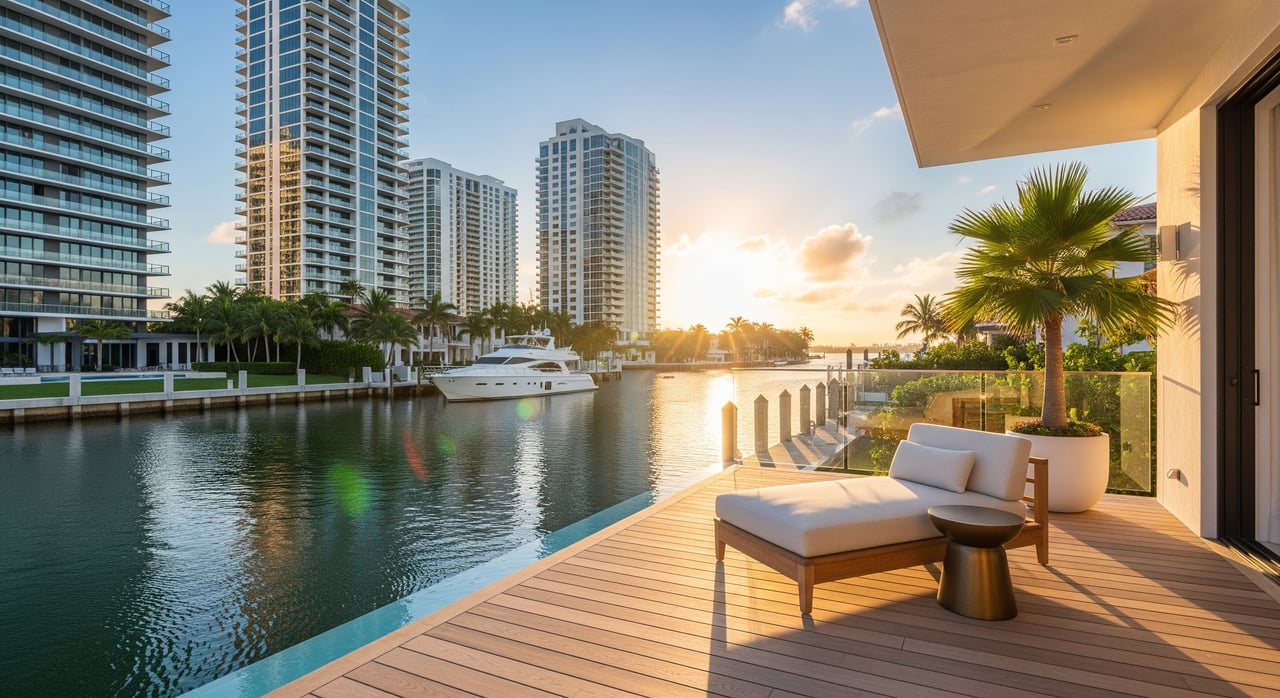
Thinking about buying on the islands of North Bay Village but torn between a condo and a single-family home? You are not alone. Each choice delivers a different mix of maintenance, privacy, amenities, costs, and waterfront access that can shape your lifestyle and budget. In this guide, you will learn the key trade-offs, what to check during due diligence, and which option often fits different buyer goals in North Bay Village. Let’s dive in.
North Bay Village snapshot
North Bay Village is a small group of man-made islands between Miami and Miami Beach. Waterfront living is the norm, with many low to mid-rise condo buildings and a smaller number of single-family homes and duplexes. Limited land area influences parking, street widths, and access for services. Like much of coastal Miami-Dade, these islands are low-lying, which brings flood, storm surge, and long-term sea-level considerations into every purchase decision.
Condo vs single-family: quick read
- Condo: Lower day-to-day maintenance, shared amenities, structured rules, and association oversight. Expect monthly dues that fund building insurance and common-area upkeep.
- Single-family: Maximum control and privacy, private amenities, and direct responsibility for all upkeep, including roof, yard, seawall, and dock.
- Both: Waterfront benefits with distinct cost and risk profiles. Flood, wind, and insurance planning are central to ownership on the islands.
Maintenance and control
Condo ownership reduces your daily upkeep. The association typically maintains the exterior, roof, structural envelope, grounds, elevators, and common systems. You handle your unit’s interior maintenance and follow community rules. The trade-off is less control over timelines and vendors for big projects.
Single-family ownership puts you in charge of everything. You decide how and when to maintain the roof, exterior, landscaping, pool, seawall, and any private dock. You gain full control over improvements, but you also carry the time and cost commitments.
Amenities and lifestyle
Condos commonly offer on-site amenities like a pool, fitness center, security, on-site management, and in some waterfront buildings, community docks or boat slips. These conveniences are funded through monthly dues. For many buyers, this is a compelling lifestyle benefit.
Single-family homes deliver private amenities on your terms. If you want a pool, an outdoor kitchen, or a specific dock configuration, you choose and manage it. If the property is part of an HOA, shared neighborhood amenities may be limited and rules vary.
Privacy and noise
Condo living brings neighbors closer. Shared walls, floors, and ceilings can increase noise transfer and reduce privacy, though elevation and unit orientation can change your experience. Rules and building culture also influence day-to-day quiet and comfort.
Single-family homes usually offer more space between households. Detached living and private yards reduce noise transfer and support a more private environment.
Parking and access
On the islands, parking matters. Condos often provide assigned spaces, and some buildings have guest parking rules and limits. Verify whether spaces are deeded, assigned, or first-come and how guest access is managed.
Single-family homes typically include a driveway and garage, which makes vehicle storage, guest parking, and contractor access simpler.
Waterfront access and docks
In waterfront condo complexes, community slips may be available for sale or lease, sometimes with waiting lists. Pricing, transferability, and usage rules vary by association. Confirm how slips are allocated and what fees apply.
Single-family homes may support private docks, but any installation or upgrades must follow local permitting rules. Seawall and dock maintenance can be significant and often requires specialized contractors. Plan for inspections and a long-term maintenance approach.
Insurance and total cost
Waterfront ownership in coastal Miami-Dade brings insurance into sharp focus. Condos typically carry a master policy for the building shell and common elements. As a unit owner, you would carry an HO-6 policy for interiors and personal property and consider loss assessment coverage.
For both condos and houses, flood insurance is often required by lenders for properties in FEMA flood zones and is wise to consider in low-lying areas. Windstorm coverage and overall insurability can vary by building age, condition, and inspection or recertification status. Premiums and deductibles can materially affect your total monthly cost, so it helps to seek written quotes early in your process.
HOA dues and assessments
Condo dues typically cover the building’s master insurance, common-area maintenance, utilities for shared spaces, management, reserves for capital projects, and amenity upkeep. Dues vary based on building size, amenities, and insurance costs. What matters most is the association’s financial health.
When you evaluate dues, review the most recent budget, reserve study, and the last 12 to 24 months of board and member meeting minutes. Ask about recent or planned special assessments and any ongoing litigation. Look for adequate reserves aligned with future projects and a clear plan for roofs, façades, elevators, and seawalls.
Single-family owners avoid HOA special assessments unless part of an association, but they take on all capital costs directly. You choose timing and vendors, which can help with planning and quality control.
Financing differences
Condo financing can be more complex than a single-family mortgage. Lenders review a project’s financials, insurance, owner-occupancy rates, and any litigation. Some loan programs require project approval, which not all buildings have. Your lender will also include HOA dues in debt-to-income ratios, which affects what you can comfortably afford.
Single-family financing is more straightforward because underwriters focus primarily on the property and borrower, not a broader project. Down payment requirements and rates still vary by occupancy type and loan program.
Flood, storm, and sea-level context
North Bay Village is low-lying and exposed to tidal flooding, storm surge, and long-term sea-level rise. This can influence lender requirements, insurance pricing, and long-term resiliency planning for both condos and single-family homes. Elevation, building construction, and protective features all matter.
As part of due diligence, consult FEMA flood maps, elevation certificates, and regional sea-level resources for parcel-level insight. Insurance quotes based on the specific property will give you the clearest picture of risk and cost.
Due-diligence checklist
Use this list to compare a condo and a single-family property side by side:
- Association documents: Declaration, bylaws, rules, current budget, audited financials if available, reserve study, and bank statements for common funds.
- Meeting minutes: Last 12 to 24 months of board and member meetings to learn about maintenance plans, dues changes, or disputes.
- Insurance: Master policy coverages and deductibles for building, wind, and flood; ask about loss assessment exposure.
- Assessments and projects: Five-year history of regular or special assessments and any planned capital work.
- Structural and recertification: Recent engineering or structural reports and any 40-year recertification documentation where applicable.
- Unit or home inspection: HVAC, plumbing, electrical, windows and doors, and interior envelope.
- Seawall and dock: Professional inspection of condition, expected lifespan, and repair or replacement costs.
- Roof, parking, elevators, and amenities: Ages, maintenance logs, and reserve plans in multifamily buildings.
- Elevation certificate: Useful for accurate flood insurance underwriting.
- Rental rules: Minimum lease terms, short-term restrictions, and any owner-occupancy requirements.
- Zoning and permitting: Verify municipal and county rules for docks, seawalls, and coastal improvements.
Buyer profiles that fit
A North Bay Village condo can be a strong match if you want low daily maintenance, crave amenities like a pool and fitness center, and value water views over private yard space. Boat owners who prefer managed slips and less dock upkeep also lean toward well-run buildings. Be comfortable with shared governance and the possibility of assessments in exchange for convenience.
A single-family waterfront home can be ideal if you want maximum privacy, outdoor space, and full control over improvements. If you have specialized vessel needs or want to direct your own dock and seawall plan, a house offers that flexibility. Be ready to manage and budget for all upkeep directly.
Red flags to watch
- Thin or underfunded reserves, frequent or emergency special assessments.
- Ongoing or pending litigation involving the HOA or building.
- Lack of recent structural inspections or required recertification.
- Increasing insurance deductibles or difficulty obtaining wind or flood coverage.
- Seawalls or docks in poor condition without a clear funding plan.
- Rental restrictions that conflict with your intended use.
Smart next steps on the islands
- Line up current MLS comparables for both condos and single-family homes in North Bay Village to compare pricing per square foot, days on market, and inventory.
- Request the full association packet and review it line by line, ideally with an experienced agent and a real estate attorney familiar with Florida condominium law.
- Obtain written flood and homeowner or condo insurance quotes early to understand true monthly costs.
- Order inspections and an elevation certificate during your contingency period.
- Confirm municipal and HOA rules on rentals, docks, seawalls, and permitting before you commit.
If you want local, concierge-style guidance tailored to your goals, our boutique team is based here and knows these islands block by block. From document review strategies to coordinated inspections and insurance planning, we help you compare options with clarity and confidence. Ready to explore North Bay Village condos and single-family homes side by side? Connect with Vella Real Estate to get started.
FAQs
What do North Bay Village HOA dues usually cover?
- Dues typically fund the master building insurance, common-area maintenance, utilities for shared spaces, on-site management, reserves for capital projects, and amenity upkeep.
How do condo special assessments impact buyers in North Bay Village?
- Assessments can raise ownership costs for major projects like roofs, façades, structural work, or seawalls, so review the reserve study, meeting minutes, and assessment history before you commit.
How different is financing a North Bay Village condo vs a house?
- Condo loans require project-level review of financials, insurance, and eligibility, while single-family financing focuses on the property and borrower; your lender will also factor HOA dues into condo affordability.
How risky is waterfront ownership on these islands?
- Waterfront property carries cost risks from flood, wind, and seawall or dock repairs; you can mitigate with inspections, adequate insurance, and strong reserves in condo buildings, but you cannot eliminate risk fully.
What should I ask about boat slips in a waterfront condo?
- Confirm how slips are allocated, whether there is a waiting list, how fees work, and whether slip rights can transfer with the unit.
What due diligence should I prioritize before buying here?
- Secure the association packet, reserve study, and insurance details, order inspections and an elevation certificate, and verify zoning, rental rules, docks, and seawall permitting with local authorities.
