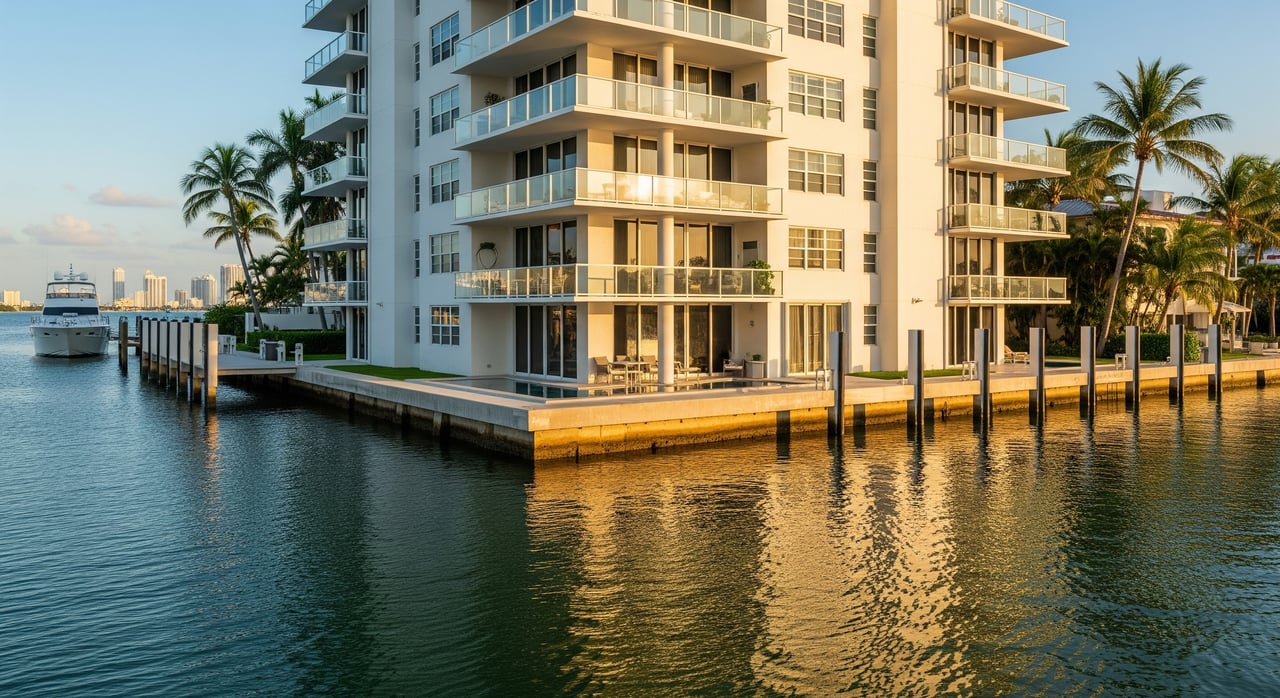
Eyeing a bayfront condo in North Bay Village? Before you fall in love with the view, you need to understand 40-year recertification and how it can shape your purchase. If you are buying in an older coastal building, this process can affect timelines, budgets, financing, and even your closing strategy. In this guide, you will learn what recertification is, how it works in North Bay Village, what it means for costs and risk, and the steps to protect yourself. Let’s dive in.
40-year recertification explained
What it is and why it exists
Forty-year recertification is a mandatory safety check for buildings that have reached a certain age. A licensed professional inspects the structure and life-safety systems to find issues before they become serious. In coastal communities, salt, moisture, and time can speed up corrosion and concrete deterioration, so regular review is critical.
The legal basis in Florida
Florida law authorizes local governments to require periodic structural inspections for older buildings. Local programs set the age triggers, scope, and enforcement. In practice, many communities in Miami-Dade follow a schedule at 40 years, then at regular intervals after that, based on local ordinances.
Miami-Dade practice after Surfside
Following the 2021 Surfside collapse, Miami-Dade County and nearby municipalities increased scrutiny of older coastal buildings. You should expect more rigorous inspections, stricter timelines for repairs, and closer review of documentation. For buyers, that means more records to evaluate and potentially tighter lender and insurer standards.
How it works in North Bay Village
Which buildings are covered and when
North Bay Village is within Miami-Dade County and includes many mid-century condominiums and multiunit buildings. Whether a building must recertify and when depends on its original certificate of occupancy date and local rules. Administration can be handled by the county or the city, so always confirm which office oversees the property.
Who does the inspection and what they check
A Florida-licensed structural engineer or architect typically performs the inspection and prepares the report. Depending on local requirements, specialists may review electrical and other life-safety systems. Inspectors commonly assess concrete slabs, columns, beams, balconies, waterproofing, roof structure, exterior envelope, and any elements exposed to salt water, such as seawalls.
Outcomes and typical timelines
After review, a building can receive a satisfactory certification, a conditional order with required repairs, or an unsafe order for severe issues. Inspections and reports can take a few weeks to a couple of months. Local review may add weeks or months, and repairs can range from months for minor items to longer periods for major structural work that requires permits and phased construction.
How it affects your purchase
Budget and assessments
In condominiums, the association commissions the report and is responsible for required work. Associations often fund repairs through reserves, special assessments, or loans that impact monthly fees or create one-time payments. You should plan for the possibility of an assessment if significant work is ordered.
Financing, insurance, and title
Lenders may be hesitant to finance units in buildings with unresolved safety orders or inadequate insurance. Insurers may increase premiums or limit coverage if major structural problems are documented. Open municipal orders can show up in title work, which can lead to escrows, holdbacks, or other conditions at closing.
Disclosures and due diligence
Sellers and associations must disclose recent recertification reports, orders, and outstanding repair obligations. These materials, along with financial records, should be reviewed early in your due diligence period. Always verify the building’s status directly with the local building department.
Buyer checklist for North Bay Village
- Request the latest recertification report and all related municipal correspondence, including any orders or certification letters.
- Ask for records of completed repairs, permits pulled and closed, and prior recertification certificates.
- Review the association’s reserve study, financial statements, and insurance details.
- Read recent board meeting minutes for decisions about recertification, repair plans, and funding.
- Run public records searches for open permits, code violations, or unsafe orders at the county and city level.
- Confirm lender and insurer requirements for buildings under review or repair.
Contract protections and negotiation
- Include a recertification contingency that lets you obtain and review reports and municipal records, with the right to cancel if findings are unacceptable.
- Add a financial contingency tied to special assessments or repair estimates above a defined amount.
- Include an engineering inspection contingency for the unit and, if needed, for building elements like balconies.
- Negotiate seller credits, escrows, or holdbacks to cover known work or to protect you until repairs are completed.
- Require the association to certify the status of any unsafe orders or list them explicitly in the contract.
Cost ranges you might see
- Inspection and reporting: associations for smaller buildings commonly pay about $1,000 to $5,000 for an engineer’s report, with higher costs for larger or complex properties.
- Repairs: costs vary widely, from thousands for limited items to millions for major structural remediation on older concrete buildings.
- Funding: associations may use reserves, special assessments, or loans that affect your monthly fees or create one-time payments at closing.
Local factors to keep in mind
North Bay Village’s island setting means many buildings face salt exposure, which can accelerate corrosion. Many properties were built in the mid-20th century and may be at or past their first recertification cycle. This context makes careful document review and an early assessment of building finances especially important.
Build the right team
- A real estate attorney experienced in Florida condominium law and code enforcement can help you navigate orders, escrows, and disclosures.
- A local structural engineer with coastal experience can review reports and help you interpret scope and urgency.
- Your agent should be familiar with North Bay Village buildings, association norms, and municipal processes to help you secure records and negotiate protections.
Ready to move forward?
If you want a calm, informed path through inspections, association records, and negotiations, work with a local advisor who lives this day to day. Our boutique team pairs neighborhood insight with concierge-level guidance so you can buy with clarity and confidence. When you are ready, connect with Vella Real Estate to map your next steps.
FAQs
What is 40-year recertification in Miami-Dade?
- It is a local program that requires older buildings to undergo structural and life-safety inspections at a set age and at recurring intervals, with required repairs ordered when issues are found.
How can recertification affect financing or insurance for a North Bay Village condo?
- Lenders and insurers may limit approvals or raise costs if a building has unresolved safety orders or major structural issues, which can impact your loan terms and closing timeline.
Who pays for recertification repairs in a condo building?
- The condominium association is responsible for required work and typically funds it through reserves, special assessments, or loans that are paid by unit owners.
What documents should I review before buying in a building approaching 40 years?
- Ask for the latest recertification report, municipal correspondence, repair and permit history, reserve study, financials, insurance details, and recent board meeting minutes.
Can I buy a unit in a building under an unsafe order?
- It may be possible, but financing, insurance, and title can be challenging; you will likely need specific contract protections and may face delays or added costs.
How often do recertifications repeat after the first one?
- Many local programs schedule follow-up inspections at regular intervals after the 40-year mark, often every 10 years, though you should verify timing with the local authority.
