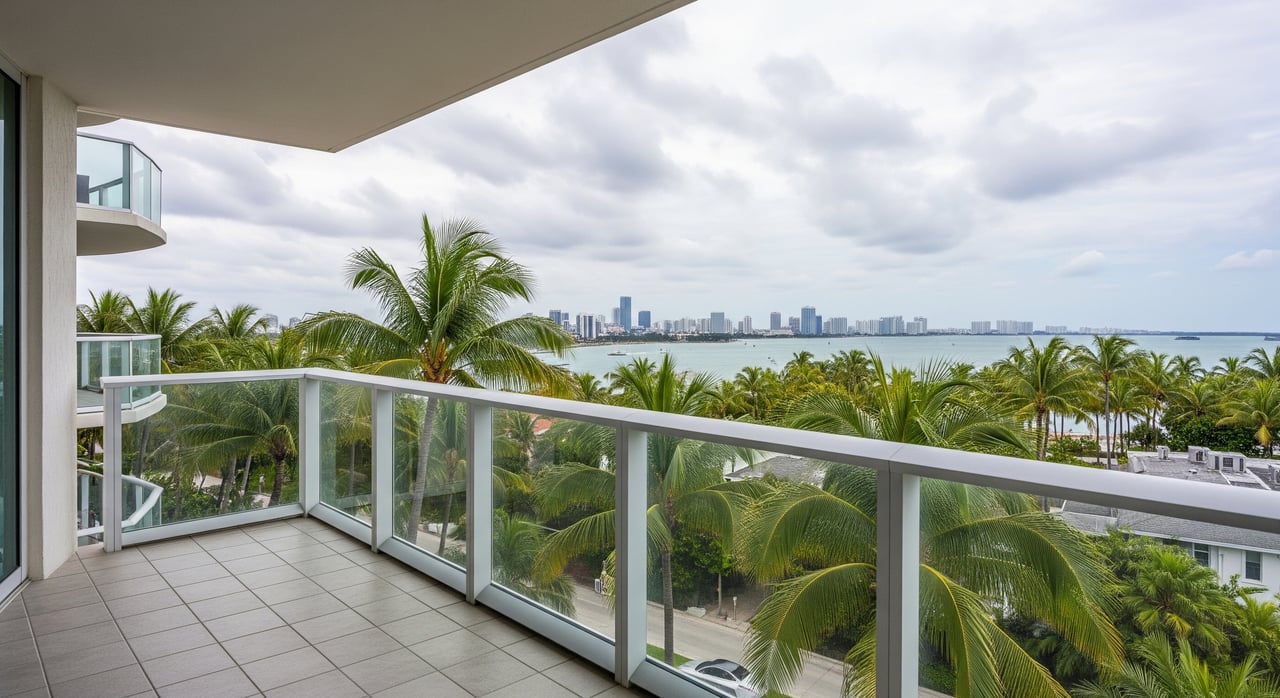
Shopping or selling a condo in South of Fifth and hearing about Milestone Inspections or SIRS? You are not alone. After Surfside, engineering reviews and reserve planning became central to condo life in South Florida, and SoFi’s ocean-edge towers are squarely in view. In this guide, you will learn what these reports are, how to read them, and how they can affect monthly fees, special assessments, and property value. Let’s dive in.
Milestone and SIRS basics
What these programs are
Milestone Inspections are engineering evaluations that review the structural condition and life-safety components of multi-story residential buildings. The goal is to identify issues early, outline repair priorities, and provide cost guidance. You will see engineers document structural elements, the building envelope, waterproofing, and related systems.
SIRS is a common shorthand used in the industry for structural integrity and reserve study content in one package. In practice, SIRS can include an engineering inspection plus reserve funding analysis that converts repairs into a multi-year budget plan. Different consultants use different acronyms, so always confirm what a given document includes.
Who oversees and who performs them
Local building departments administer enforcement and deadlines, while licensed structural or civil engineers perform the inspections. Engineers may use visual reviews, non-destructive testing, and sometimes core samples. Association governance rules in Florida determine how boards plan and fund the necessary work.
Why SoFi buildings care
South of Fifth sits next to the ocean, which means constant salt air and windborne moisture. These conditions speed up corrosion and wear on concrete, steel connectors, sealants, and balcony components. Many SoFi towers feature large terraces, glass curtain walls, and amenity decks, so proper waterproofing and envelope maintenance are essential.
How to read the report
Typical report structure
Most engineering reports follow a predictable format that helps you understand condition and urgency:
- Executive summary with overall condition, urgent items, and next steps.
- Scope and methods that describe areas inspected and any limits to access.
- Observations and findings by area, including the roof, façade, balconies, slabs, columns, garage, waterproofing, and drainage.
- Condition ratings and priority levels. Terms vary, but you often see immediate, near term, mid-term, and long-term categories.
- Recommended repairs and technical notes that explain the cause and the fix.
- Preliminary cost estimates and phasing ideas for how to stage the work.
- Photos, diagrams, and test results in appendices.
When you read, start with the summary, then scan the priority table and the cost section. Cross-check how the engineer defines urgency and timeframes.
Common SoFi findings
In SoFi high-rises, you often see patterns tied to salt air and water exposure:
- Concrete spalling and rebar corrosion from chloride intrusion, especially at edges and penetrations.
- Balcony deterioration, including waterproofing failure and concrete delamination.
- Envelope issues such as worn sealants, joint failures, and leaks at windows and terraces.
- Parking garage slab and column wear, including cracking and corrosion.
- Drainage gaps that cause ponding and leaks into structural elements.
- Corrosion of metal components like balcony rails and fasteners.
These items vary widely by building age, design, maintenance history, and proximity to the shoreline.
Timelines and cost numbers
What “immediate” really means
Engineers typically prioritize repairs by timing. “Immediate” items usually call for action within 0 to 12 months to address safety or significant deterioration. Near term might mean 1 to 3 years, mid-term 3 to 7 years, and long-term 7 or more years. Always check the report’s definitions, since language can differ by consultant.
Reading preliminary costs
Milestone reports often include cost ranges that are useful for planning, not final pricing. These numbers are based on unit prices and assumed scope. Once an association completes design documents and bids the work, contractor prices can shift. Use the report to understand order of magnitude and phasing, then expect refinement.
Connecting SIRS to reserves
If the package includes a reserve study or reserve component, it should translate component lifecycles into annual funding. Compare the inspection’s recommended schedule to the reserve study’s timelines. If there is a mismatch, the association may need to raise assessments, adjust reserves, or plan a special assessment or loan.
Reserves, assessments, and value
How boards fund repairs
Boards have several levers. They can use existing reserves, increase regular assessments, levy a special assessment, or secure a loan to spread costs over time. Urgent items typically drive near-term decisions, while longer projects may be phased to manage disruption and owner impact.
What it means for owners and buyers
For current owners, the combination of immediate repair needs and low reserves is the most common trigger for special assessments. For buyers, known upcoming work may affect affordability and mortgage approvals. Some lenders ask for satisfactory engineering documentation and proof that funding is in place for required repairs.
Market effects in SoFi
Public or widely known engineering findings can influence marketability and pricing. Large near-term projects with uncertain funding may slow deals, while transparent, well-planned remediation can reassure buyers. Appraisers consider documented structural issues and the estimated cost to cure, but the real impact depends on scope, timeline, and the association’s funding strategy.
SoFi case examples
Urban glass tower example
A recent composite example from SoFi: an engineering review flags widespread curtain-wall sealant failure and terrace water intrusion. The engineer recommends a full façade reseal and localized panel replacement over 2 to 4 years. The association has moderate reserves, so the board plans a two-phase special assessment and a short-term loan to keep the immediate owner burden manageable.
Older podium tower example
In a different composite scenario, an older tower built over a garage podium shows significant deck waterproofing failure. The report calls for full deck replacement, concrete repairs in the garage, and improved drainage. The board proposes a mix of reserve use, a special assessment, and loan financing, and communicates a detailed bid and construction timeline so owners know what to expect.
Buyer checklist for SoFi condos
Use this checklist during your condo search in South of Fifth:
- Ask for the latest Milestone Inspection and any structural addenda, test results, and signed engineer certifications.
- Request the current association budget, the most recent reserve study, and the current reserve balance.
- Review board meeting minutes from the last 12 to 24 months, including notices about capital projects or repairs.
- Confirm whether any special assessments are approved, pending, or anticipated, and whether association financing is secured.
- Verify building insurance coverage and any recent claims.
- Consider hiring an independent structural engineer to review the report’s scope and cost assumptions.
Focus your review on urgency categories, projected costs in the next 1 to 3 years, and how the board plans to fund the work.
Seller prep and disclosure checklist
If you are listing a SoFi condo, plan ahead:
- Gather milestone and structural reports plus documentation of completed repairs, permits, and warranties.
- Disclose scheduled or proposed assessments and the funding strategy.
- Provide a concise summary from management or the board that outlines the remediation plan and the timeline.
- Organize your records so buyers can easily verify engineering findings, bids, and payment schedules.
Transparency builds confidence and can streamline negotiations, especially when buyers and lenders are looking closely at building health.
Red flags to watch
- Large “immediate” repair totals, low reserves, and no defined funding plan.
- A pattern of deferred maintenance in meeting minutes.
- Vague engineering scope or lack of itemized cost breakdowns.
- Ongoing or pending litigation related to building condition.
- Frequent management or board turnover and limited communication to owners.
- Insufficient insurance or recent coverage restrictions.
One or two of these does not automatically kill a deal, but multiple red flags call for deeper due diligence.
Put reports to work in your strategy
For buyers, align the engineering timeline with your hold period and budget. Add expected assessments to your monthly costs and stress-test different funding outcomes. For sellers, frame the facts in clear language and highlight proactive steps the association is taking, such as phasing, financing, and contractor selection.
When you evaluate any report, look for three things: urgency, budget impact, and funding plan. Treat cost numbers as planning targets, not final bids. If you need clarity on technical language or repair scope, bring in a licensed engineer. For rules and deadlines, check the latest guidance from the local building department and consult your attorney for contract options.
Work with a local advisor
In South of Fifth, details matter. Two buildings on the same block can have very different engineering histories, reserve positions, and funding strategies. You deserve a partner who reads the documents, asks better questions, and helps you navigate board communication, lending, and insurance.
If you are comparing buildings, planning a sale, or want a second set of eyes on a report, connect with Vella Real Estate for clear, concierge-level guidance across Miami’s micro-markets. Book an appointment to talk through your goals and next steps.
FAQs
What is a Milestone Inspection for a SoFi condo?
- It is an engineering review that evaluates a building’s structural condition and safety components, summarizes repair priorities, and offers planning-level costs.
What does SIRS include for Miami Beach condos?
- SIRS usually refers to structural inspection content paired with reserve funding analysis. Confirm what is included since terminology varies by consultant.
Will a Milestone Inspection always cause a special assessment?
- Not necessarily. It depends on repair scope, current reserves, and whether the board uses reserves, raises assessments, levies a special assessment, or takes a loan.
How reliable are cost estimates in these reports?
- They are preliminary planning numbers. Final contractor bids often change after design and bidding refine the scope and pricing.
How do these reports affect condo financing and insurance?
- Documented major deficiencies or unclear funding can make insurance and mortgages harder or more expensive. Lenders often want satisfactory reports and proof of funding.
What should I look for in association minutes?
- Look for discussions on repair timelines, special assessments, loan approvals, and any deferrals of recommended work. Consistent, detailed updates are a positive sign.
Does being close to the ocean increase risk?
- Salt air and windborne moisture can accelerate corrosion and envelope wear, which is why SoFi buildings often have more frequent waterproofing and façade maintenance needs.
Should I hire my own engineer when buying?
- If the report lists significant work or you want an independent view of scope and costs, hiring a licensed engineer for a review can be a smart step.
