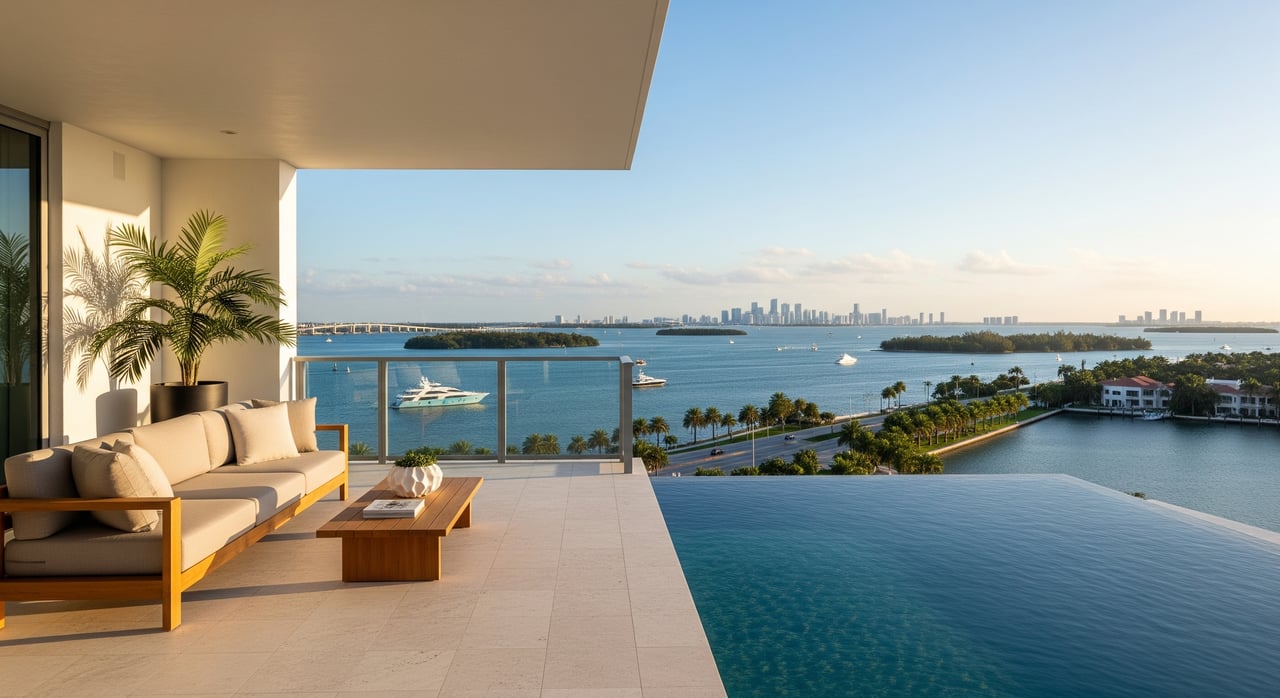
Debating between a wide-open bay panorama or the energy of the Intracoastal? In North Bay Village, your view is more than a backdrop. It shapes your daily light, the sounds you hear, how you use your balcony, and even your resale options. This guide breaks down the real differences between bay, Intracoastal, and channel views so you can choose the outlook that fits your lifestyle and long-term plans. Let’s dive in.
Bay vs Intracoastal: What each view means
North Bay Village sits on three man-made islands in Biscayne Bay between Miami and Miami Beach. Because the area is compact and surrounded by water, many homes and condos look out to either the open bay, the Intracoastal Waterway, or smaller connecting channels. Knowing which one you’re facing will tell you a lot about light, activity, and future value.
Bay views: Wide water and skyline
A bay view looks across broad stretches of Biscayne Bay, often with long sightlines to the Miami skyline or toward Miami Beach and the Atlantic barrier islands. The water feels expansive and boats are usually farther away from your balcony. This can mean more privacy, sweeping panoramas, and fewer close-up vessels passing by.
Intracoastal views: Active navigation corridor
An Intracoastal view faces the maintained, navigable channel that runs along Florida’s coast. Here, water is closer to the shoreline and boat traffic is steady. You’ll see recreational boats, yachts, tour boats, and occasional working vessels moving through a narrower corridor. Expect more frequent wakes, more engine noise, and nearby bridge activity compared with open bay exposures.
Channel or canal views: Closest to boats
Channel or canal views overlook narrower connectors and marina approaches. These are the most intimate with boat traffic, with vessels passing close to seawalls and docks. They can feel lively and convenient for boaters, but they also bring the most wakes, noise, and proximity to onlookers.
Sunlight and orientation
Light changes everything. In Miami, sunrise and sunset angles create distinct experiences depending on which way your main living spaces and balcony face.
East-facing: Sunrise and cooler afternoons
East-facing exposures capture bright morning light and tend to be shaded in the late afternoon. If you enjoy coffee at sunrise or want to avoid late-day heat on your balcony, this orientation is a strong match. East views often look beachward toward Miami Beach and the Atlantic.
West-facing: Sunsets and late-day heat
West-facing exposures bring dramatic golden-hour light and sunsets toward the mainland and skyline. They can also increase afternoon heat and glare, especially in the hottest months. Your AC may work harder late in the day, so consider balcony overhangs and interior shading when you evaluate.
North and south: Seasonal sun shifts
North- and south-facing units experience changing sun paths across seasons. In winter, south-facing spaces receive more midday sun, while north-facing homes tend to have more consistent, indirect light. Walk the unit at different times to see how the sun tracks.
Boating traffic, wakes, and noise
Waterfront life comes with movement and sound. In North Bay Village, exposure to the Intracoastal, channels, and bridges can affect your daily environment.
What to expect on the Intracoastal
The Intracoastal is a designated navigation route with steady activity. You’ll likely see closer passes, feel more wakes along seawalls, and hear engines more frequently than on the open bay. Bridge operations and nearby marinas can add horn sounds or short bursts of congestion during peak periods.
What to expect on the open bay
Open bay vantage points spread vessel movement across wider water. Any boats you see are typically farther from shore, which reduces wake impact and engine noise near your balcony. Large ships or distant cruise movements may be visible on the horizon, but they’re usually less intrusive than close channel traffic.
When traffic peaks
Recreational boating ramps up on weekend mornings and late afternoons, with seasonal spikes during holidays and Miami’s winter high season. Special events and weather can also drive short-term surges. If you’re sensitive to noise, plan visits during these windows to get a realistic read.
Lifestyle trade-offs
There’s no single “best” view. It comes down to how you live and what you value day to day.
If you want quiet vistas
Choose bay-facing exposures with long, unobstructed water. You’ll likely enjoy broader panoramas, skyline sunsets or sunrises over water, and fewer boats passing close to your balcony. These views often feel more serene and private.
If you love boating action
Intracoastal and channel views give you front-row seats to the boating scene and may offer quicker access to nearby marinas. If you keep a boat or love the energy of passing vessels, this can be a plus. Just be ready for more wakes, sound, and activity.
Privacy and wind exposure
Open bay exposures can be more exposed to breezes, which some buyers appreciate for comfort on hot days. Channel-facing homes may feel more tucked in, but privacy can be reduced when boats pass near windows and balconies.
Resale and price considerations
Waterfront property usually carries a premium, and the nature of your view affects both price and marketability.
What tends to command premiums
Unobstructed open-water or skyline views commonly draw higher premiums than narrow canal or Intracoastal views, all else equal. That said, a buyer who prioritizes immediate boat access may value the Intracoastal more. Building quality, floor height, and renovation level can outweigh view alone.
Marketability and rental appeal
Broad bay or ocean-like vistas often appeal to a wider pool of buyers and vacation renters. Channel views can attract a more specific audience that values boating convenience. Consider your exit strategy and how your view will photograph and market in the future.
Insurance, flood, and HOA
Waterfront exposures are more likely to fall within higher flood zones, which can raise flood and wind insurance costs. Building elevation and FEMA flood designations matter for affordability. Aging seawalls or docks can lead to special assessments, so review HOA reserves, recent capital projects, and any seawall maintenance history before you commit.
How to compare and evaluate a view
Use this checklist to make a strong, apples-to-apples decision.
- Confirm exact exposure. Note which direction your primary rooms and balcony face. Bring a compass or check the floor plan.
- Assess view permanence. Look at nearby parcels, zoning, and height allowances to gauge whether future construction could block your outlook.
- Compare same-building comps. Check recent sales in the same floor plan and floor range with different exposures to isolate view impact on price per square foot.
- Observe traffic at peak times. Visit weekday mornings, weekend mid-days, and evenings to feel typical wake, noise, and light conditions.
- Review flood and insurance. Check FEMA flood maps and county resources, then get property-specific quotes for homeowners and flood insurance.
- Inspect seawalls and docks. For properties with water access, check condition, permitting history, and any marina waiting lists.
- Read HOA documents. Confirm rules for short-term rentals, boat slips, recent or pending assessments, and reserve fund status.
- Map other noise sources. Note bridge proximity like the Broad Causeway, potential aircraft paths, and any nearby commercial activity.
Questions to ask sellers and inspectors
- How often have the dock or seawall been repaired or replaced? Any recent or upcoming assessments?
- Are there recorded complaints about boat wakes or noise in HOA minutes?
- What are the average utility and insurance costs for units with this exposure?
- Has any new construction reduced the view? Are there active building permits nearby?
Which view fits you
If you picture quiet mornings with a horizon of blue and minimal interruptions, a bay-facing home is likely your best match. You’ll enjoy broad vistas and fewer close-by boats. If you want to watch boats glide past and value quick access to slips or marinas, an Intracoastal or channel view can deliver that lifestyle.
For many buyers, the right answer blends aesthetics and function. A west-facing bay view might give you skyline sunsets and a calmer sound profile. An east-facing Intracoastal view could provide sunrise light and an energetic waterway. The key is to test how each exposure feels at different times of day and to pair that with a smart comp and cost review.
Ready to walk through options, run same-building comps, and stress-test views in real time? Connect with your local North Bay Village advisors at Vella Real Estate for a tailored plan and a concierge-style search.
FAQs
Which view is quieter in North Bay Village?
- Open bay views are generally quieter because boat traffic is dispersed across wider water, while Intracoastal and channel views bring closer passes, more wakes, and more engine noise.
Do bay views cost more than Intracoastal views in North Bay Village?
- Often yes, unobstructed open-water and skyline views tend to command higher premiums, but exact differences depend on same-building comps, floor height, renovation level, and overall building quality.
If I own a boat, which view makes more sense in North Bay Village?
- Intracoastal or channel exposures usually offer easier, faster access to nearby marinas and slips, but always check bridge clearances, dock depth, and marina availability before deciding.
How do waterfront views affect insurance costs in Miami-Dade?
- Waterfront properties are more likely in higher flood zones, which can increase flood and wind insurance; verify FEMA maps for your address and get property-specific quotes early in the process.
What should I inspect before buying a waterfront condo in North Bay Village?
- Review seawall and dock condition, evidence of wake erosion, HOA reserves and recent assessments, flood zone designation and insurance quotes, and whether any planned development could impact your view.
