Wondering why one Hibiscus Island home feels like a classic Miami estate while another looks like a sleek glass retreat? That mix is part of what makes the island so interesting, but it can also make your search feel less straightforward. If you are trying to understand what kinds of homes and lot layouts you will actually find here, this guide will help you read the island more clearly. Let’s dive in.
Hibiscus Island Has No Single Look
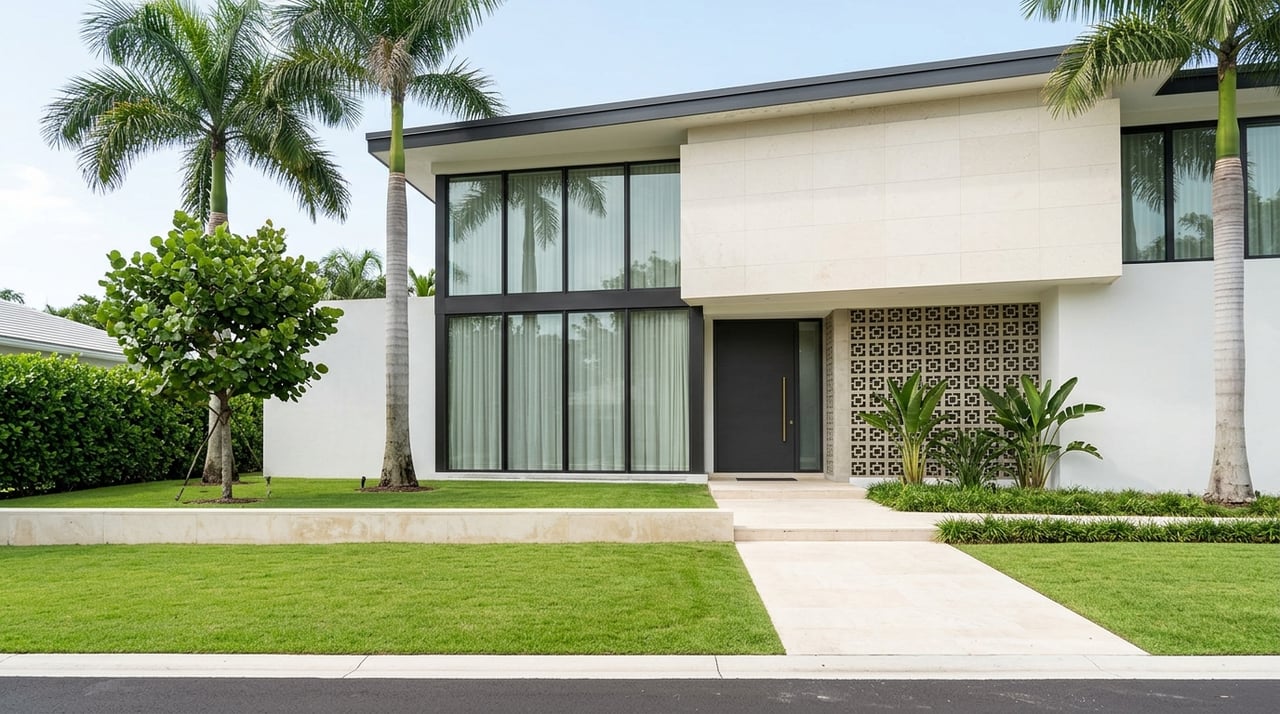
Hibiscus Island is not a visually uniform neighborhood. Based on Miami Beach’s official architectural style categories and recent listing examples on the island, you can see a blend of Mediterranean Revival, mid-century influences, South Florida ranch homes, and newer contemporary estates.
That variety matters when you are evaluating value and potential. A 1935 Mediterranean home, a 1955 ranch-style property, and a 2016 to 2026 contemporary estate may all sit within the same island setting, but they offer very different layouts, renovation paths, and design appeal.
In practical terms, Hibiscus Island behaves more like a custom-home enclave than a master-planned community with one consistent style. Older homes are often renovated, expanded, or replaced, while many newer homes lean toward open floor plans, large glass walls, and strong indoor-outdoor living.
Common Architecture Styles on Hibiscus Island
Mediterranean and Historic Homes
Some homes on Hibiscus Island reflect the Mediterranean Revival style that is part of Miami Beach’s broader architectural identity. These homes often stand out for their older construction dates and a more traditional estate feel.
For a buyer, these properties can appeal if you want character and established architectural detail. They may also raise questions about renovation scope, preservation of original features, and how the home fits into today’s lifestyle expectations.
Ranch and Mid-Century Influence
Recent examples also show South Florida ranch homes with mid-century character. A 1955 ranch-style property on the island shows that not every older home here follows a grand historic style.
These homes can offer simpler massing and a lower-profile street presence. Depending on the property, they may present either a strong renovation opportunity or a candidate for full redevelopment.
Contemporary Estate Homes
Many of the island’s newer properties lean contemporary. Recent listings from 2016 through 2026 show the direction clearly, with open plans, glass-forward design, large outdoor entertaining areas, and a stronger connection between interior rooms and waterfront or garden space.
If you are drawn to newer construction, this is likely the design language you will encounter most often at the high end of the market. These homes are often designed around light, views, terraces, pools, and a more seamless indoor-outdoor experience.
Lot Types You Will Actually See
One of the most helpful ways to understand Hibiscus Island is to look at lot type before you focus on finishes. On this island, lot size, frontage, and positioning can shape what you can build, renovate, or enjoy just as much as the architecture itself.
Standard Interior and Smaller Waterfront Lots
A large share of recent listing examples cluster around roughly 9,500 to 10,500 square feet. Examples in that range include 35 S Hibiscus Drive at 9,500 square feet, 375 S Hibiscus Drive at 9,500 square feet, and 80 S Hibiscus Drive at 10,500 square feet.
You also see waterfront lots in this size range, such as 101 N Hibiscus Drive Lot A at about 10,500 square feet with 60 feet of water frontage. That means a lot does not need to be enormous to still offer water access or a strong lifestyle setup.
Double Lots and Estate Parcels
At the upper end, Hibiscus Island includes much larger parcels that create a more estate-like footprint. Recent examples include 394 S Hibiscus Drive with 18,375 square feet on a south-facing double lot and 101 feet of waterfront.
Other larger sites include 6 S Hibiscus Drive at 19,717 square feet, 225 N Hibiscus Drive at 26,250 square feet with 150 feet of frontage, and 370 S Hibiscus Drive on a half-acre double lot with 122 feet of waterfront. These larger parcels can significantly change how a home sits on the site and how outdoor areas are planned.
Corner Lots and Non-Waterfront Sites
Not every opportunity on Hibiscus Island is directly on the water. Recent listings also show corner lots and non-waterfront properties, including 363 S Hibiscus Drive, which is described as a corner-lot non-waterfront opportunity with additional easement yard space.
For some buyers, a non-waterfront lot may still be compelling if the goal is privacy, square footage, or a better fit for a custom build. The lot’s shape and street position can influence driveway design, landscaping, and how the house meets the street.
Assembled and Flexible Parcels
Some legal descriptions on the island span multiple original platted lots. A recent example at 17 N Hibiscus Drive shows how assemblage can create a larger usable site than you might expect from a typical single-lot pattern.
You also see flexibility in active redevelopment opportunities. Recent listing examples include land offerings, renovation-or-redevelopment marketing, and parcels that can be combined with adjacent lots. For a buyer thinking long term, that can make Hibiscus Island feel less fixed and more strategic.
Why Lot Size Is Only Part of the Story
A large lot does not automatically translate to a better layout or easier project. On Hibiscus Island, the details of orientation, elevation, grading, seawall condition, and the placement of the home and outdoor features can matter just as much.
That is especially true if you care about entertaining space, pool design, dock access, or preserving view lines. Two properties with similar square footage can function very differently depending on how the site is positioned and improved.
Orientation Can Shape the Lifestyle
Southern Exposure and Waterfront Appeal
On waterfront parcels, orientation is often part of the marketing because it affects how outdoor space feels and performs. Recent listings specifically call out south orientation or southern exposure, often alongside features like rooftops, terraces, pools, pavilions, summer kitchens, docks, and broad water or skyline views.
If you spend a lot of time thinking about outdoor living, orientation is not just a technical detail. It can influence light, how key entertaining areas are arranged, and which parts of the lot feel most usable throughout the day.
View Planning and Outdoor Design
On a custom-home island, homes are often designed around the lot rather than dropped onto it with a standard formula. That means the position of the dock, terrace, pool, and major living spaces may reflect the site’s view direction and waterfront edge.
When you compare homes on Hibiscus Island, it helps to look beyond the house itself and ask how the property uses the lot. A well-planned site can make even a smaller parcel feel expansive.
Elevation and Drainage Matter on Hibiscus Island
The City of Miami Beach’s Palm and Hibiscus Islands right-of-way project includes drainage upgrades, pump stations, raised and rebuilt roads, paving, and preparation for underground utilities. The city’s Office of Inspector General also noted that the islands had low ground elevations and moderate flooding problems, which helped drive roadway elevation and secondary drainage improvements.
For you as a buyer or property owner, this gives important context. Lot elevation, grading, and how the home connects to the street can affect driveway design, outdoor usability, and the way a yard or pool area is configured.
This does not mean every property functions the same way. It means site conditions deserve careful attention, especially if you are comparing an older home, a renovated property, and a new build on different parts of the island.
Streetscape Tells You a Lot
Hibiscus Island reads as a low-rise, detached-home environment. Recent listing examples show a streetscape defined more by private gates, driveways, garages, pools, docks, and landscaped outdoor areas than by continuous building frontage.
That kind of street-by-street character is worth noticing during a home search. It reinforces that each property tends to have its own presence, and the island experience can vary depending on where a lot sits and how the home is developed.
What Redevelopment Signals Mean for Buyers
Hibiscus Island has a broad spectrum of housing conditions and opportunities. Across recent examples, you can find original homes with architectural character, renovation candidates, teardown possibilities, vacant land offerings, and fully realized contemporary estates.
For buyers, that creates both opportunity and complexity. You are not just choosing a finished house. In many cases, you are also choosing between preservation, renovation, redevelopment potential, or long-term land value.
If you are evaluating the island seriously, it helps to think in layers:
- Architecture: What style and level of design speaks to you?
- Lot type: Is the property standard-sized, oversized, corner-positioned, waterfront, or assembled?
- Orientation: How do light, exposure, and views affect the outdoor lifestyle?
- Site function: How do elevation, grading, seawall condition, and placement impact usability?
- Future flexibility: Is this primarily a move-in-ready home, a renovation play, or a land-driven opportunity?
How to Read a Hibiscus Island Property Better
The best way to understand a Hibiscus Island home is to see it as both a house and a site. A beautiful design may catch your eye first, but the lot often explains the property’s real potential.
A 9,500-square-foot parcel, a double waterfront lot, a corner site, and an assembled legal lot can all lead to very different outcomes. Once you know what to look for, the island becomes easier to read and compare.
Whether you are looking for a classic Mediterranean residence, a mid-century renovation opportunity, or a newer contemporary waterfront estate, Hibiscus Island offers a range that is broader than many buyers expect. If you want help understanding how architecture, lot type, and site dynamics come together on this island, Vella Real Estate can help you evaluate the details with a clear local lens.
FAQs
What architectural styles are found on Hibiscus Island?
- Hibiscus Island includes a mix of Mediterranean Revival homes, South Florida ranch and mid-century influenced properties, and newer contemporary estates, based on Miami Beach architectural categories and recent listing examples.
What lot sizes are common on Hibiscus Island?
- Recent listing examples show many lots around 9,500 to 10,500 square feet, along with larger double lots and estate parcels ranging from about 18,375 to 26,250 square feet.
What does a double lot mean on Hibiscus Island?
- A double lot generally refers to a larger parcel made up of more than one standard lot pattern, which can allow for a broader home footprint, more yard space, or expanded waterfront frontage.
Why does waterfront orientation matter on Hibiscus Island?
- Waterfront orientation can affect light, views, and the layout of outdoor features like terraces, pools, docks, and entertaining areas, which is why some listings specifically highlight southern exposure.
Why should buyers pay attention to elevation and drainage on Hibiscus Island?
- City of Miami Beach documents show the islands have undergone drainage and roadway elevation improvements, so lot elevation, grading, and street connection can play an important role in outdoor usability and site planning.
Are there redevelopment opportunities on Hibiscus Island?
- Yes. Recent listing examples include land offerings, renovation-or-redevelopment opportunities, and properties that can potentially be combined with adjacent lots.
