Do you picture sunrise runs along the bay or stepping out your front door to a cappuccino and a quick hop on the Metromover? If you are choosing between Edgewater and Brickell, you are really choosing your daily rhythm. Both offer skyline views and full-service towers, but the feel on the ground is different. In this guide, you will compare lifestyle, condo types, walkability, transit, and long-term value so you can match your goals to the right Miami condo scene. Let’s dive in.
Edgewater at a glance
Edgewater sits on the bayfront just north of Downtown and reads as primarily residential with mid and high-rise condo towers from the 2000s through the 2020s. The neighborhood’s identity centers on water views, large balconies, and polished amenity decks. Learn more about the neighborhood’s location and history on the Edgewater page on Wikipedia.
One of Edgewater’s signature anchors is Margaret Pace Park, an 8-acre bayfront green space with courts, dog areas, a baywalk, and marina access. The park sets a calmer pace for morning runs, sunset walks, and outdoor time without leaving the neighborhood. Get a feel for the park’s features on Margaret Pace Park’s Wikipedia page.
Day to day, you will notice a quieter routine focused on in-building amenities, waterfront exercise, and park use. There is retail nearby, but many residents head into Midtown, Wynwood, or Brickell for a bigger dining and nightlife mix.
Brickell at a glance
Brickell is Miami’s financial district and one of the city’s densest, most vertical neighborhoods. It mixes office towers, residential high-rises, and major retail corridors like Brickell City Centre and Mary Brickell Village. You can review the district’s overview on Brickell’s Wikipedia page.
Street life runs strong here. The neighborhood is a hub for both Metrorail and the Metromover, with multiple stations that create easy downtown connectivity and a steady flow of people throughout the day. For a map of stations and service, visit the Miami-Dade Metrorail information page. If you want an urban, walk-everywhere lifestyle with restaurants, fitness studios, and shops at your doorstep, Brickell fits that brief.
Condo types and amenities
Edgewater condo profile
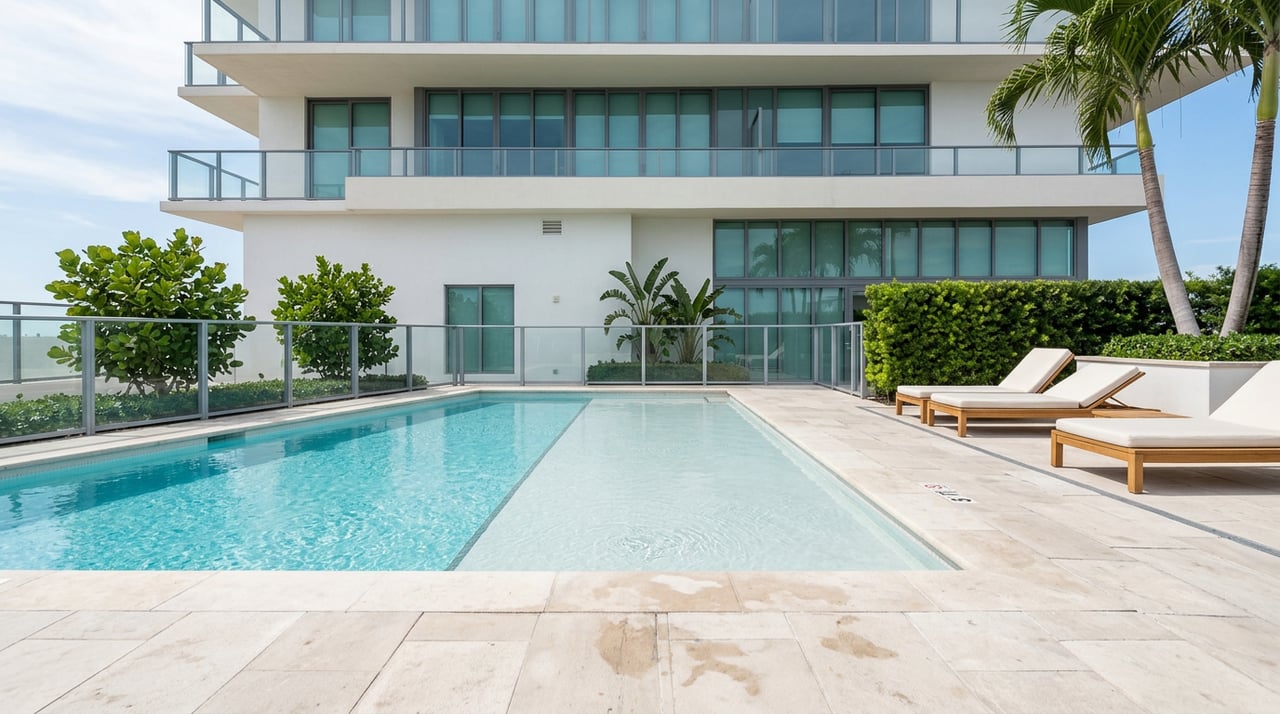
Edgewater’s towers lean residential first. Many newer buildings emphasize bay views, larger terraces, private elevator foyers in select lines, and multi-level amenity decks with pools, fitness, spa areas, children’s rooms, and pet zones. The amenity design often orients to the water, with lounges and pool decks that frame Biscayne Bay. Street-level retail is present in spots, but the lifestyle skews toward resort-like comfort within the building and open green space along the bay.
Brickell condo profile
Brickell offers a deep inventory of mixed-use towers, including condo, condo-hotel, and rental buildings integrated with ground-floor retail and office corridors. Units range from efficient one-bedrooms to expansive penthouses with bay, river, or skyline views. Amenity programs often add rooftop or sky-lounge experiences, co-working spaces, and concierge services tied to on-site retail. For a sense of the scale here, Brickell is home to notable towers such as Panorama Tower, the tallest building in Miami, which reflects the neighborhood’s high-rise character and mixed-use profile. You can read more about it on Wikipedia’s Panorama Tower page.
How amenities shape lifestyle and price
- Views: In Edgewater, direct bayfront exposures often carry a premium and pair with a quieter residential rhythm. In Brickell, select towers also capture bay views, but proximity to restaurants, offices, and transit tends to command its own premium.
- Carrying costs: Full-service buildings in both neighborhoods typically have higher association fees to fund concierge services, parking, and multi-level amenities. When you compare options, line up HOA fees, reserve health, and any rental rules against your monthly budget and use plans.
Walkability and daily errands
If you want to handle most daily errands on foot, Brickell’s core is one of Miami’s most walkable, transit-rich zones. Edgewater is also highly walkable by Miami standards, though it feels more residential and lower-key at street level. For a general snapshot of pedestrian convenience in the area north of Downtown, check the Wynwood-Edgewater Walk Score overview. Brickell’s central blocks often score even higher thanks to the density of shops and transit nodes.
Both neighborhoods sit within Miami’s core urban area, so scooters and bikes are common for short trips. In Edgewater, the baywalk and waterfront routes are popular for exercise. In Brickell, the grid concentrates bike and scooter trips around retail corridors.
Value drivers and what to weigh
- Lifestyle premiums: Direct bay frontage in Edgewater and immediate access to transit and retail in Brickell are durable advantages that many buyers are willing to pay for. Your best value depends on which of those advantages you will use most.
- Building age and reputation: Association health, management quality, and capital planning can affect resale value as much as location. A well-run 10- to 15-year-old building with strong reserves can outperform a newer tower with underfunded maintenance.
- Investor and rental dynamics: Brickell’s proximity to offices and transit supports steady rental demand from professionals. Edgewater’s bayfront setting and amenity-forward towers tend to attract longer-term renters and second-home users. If you are investing, your yield will come down to unit size, exposure, building reputation, and rental rules.
- Supply on the way: Both areas continue to develop. Edgewater has seen a meaningful pipeline of luxury waterfront deliveries in the 2020s. Brickell continues to densify with mixed-use and branded projects. Near-term pricing for comparable units can be sensitive to new supply, so factor in what is delivering within your time horizon.
Key risks to check before you buy
- Flood and sea-level exposure: Edgewater and Brickell are low-lying bayfront and near-bayfront neighborhoods. Higher floors reduce direct water exposure, but street flooding, garage impacts, and access can still be issues. Review parcel scenarios with NOAA’s Sea Level Rise Viewer.
- Structural recertification and reserves: Since 2021, diligence on building recertifications, reserve studies, and special assessments is essential. Ask for the most recent engineering reports, reserve studies, and 2 to 3 sets of board minutes.
- Insurance and HOA budgets: Florida insurance markets have been volatile. Request the master insurance policy, loss history if available, and the association’s operating budget to understand what may drive future fee changes.
- Rental rules: If you plan to lease, verify minimum lease terms, caps on leased units, and any short-term rental restrictions at both the association and city level. Rules vary and can affect both cash flow and resale appeal.
- Market timing: If you are sensitive to resale risk, compare the building’s age and product type with the local delivery pipeline. New towers competing with your unit type can affect liquidity.
Which routine fits you best?
Choosing between Edgewater and Brickell is less about right or wrong and more about what you want your week to feel like.
Choose Edgewater if you value:
- Morning runs and sunsets at a large bayfront park, with green space and water at your doorstep. See Margaret Pace Park for a preview.
- A residential-first pace, polished amenity decks, and expansive bay views.
- Easy access to Midtown and Wynwood for dining, with quieter streets at home.
Choose Brickell if you value:
- Walking to restaurants, shops, gyms, and offices with strong transit access. Review station options on the Metrorail and Metromover page.
- A high-energy, urban core with late-night options and integrated retail.
- A wide range of product types, from efficient urban one-beds to skyline penthouses in landmark towers like Panorama Tower.
Quick buyer checklist for any Miami condo
Use this six-point list to compare buildings and units:
- Views and floor: Bay, river, or skyline. Review recent sales within the same building for similar exposures and floors.
- HOA and reserves: Ask for the latest reserve study, current reserve balance, operating budget, and any planned special assessments.
- Insurance: Review the building’s master policy limits, carriers, and recent premium trends.
- Engineering and recertifications: Confirm the dates and outcomes of mandatory recertifications and any large capital projects.
- Rules and usage: Check rental policies, pet rules, parking, and shared amenity arrangements.
- Walk and transit convenience: Time the walk to groceries, coffee, and the nearest transit stop. Brickell typically has an edge on rail access, while Wynwood-Edgewater scores well for walkability.
Your next step
If you are drawn to water, Edgewater’s bayfront line and park access deliver a restorative daily rhythm. If you crave a truly urban lifestyle, Brickell’s density, retail, and transit can make every day feel plugged in. The smartest move is to tour both on the same day and track how the neighborhoods feel at morning, midday, and evening.
When you are ready for a tailored short list, building-level diligence, and guidance on investor-friendly options, connect with Vella Real Estate. Our boutique, concierge approach helps you choose with confidence.
FAQs
What is the biggest lifestyle difference between Edgewater and Brickell?
- Edgewater is a calmer, bayfront neighborhood centered on park and waterfront routines, while Brickell is Miami’s dense financial and retail core with strong transit and a walk-everywhere feel supported by Metrorail and Metromover and the urban grid described on Wikipedia.
How does transit access compare for condo owners in these areas?
- Brickell is a transit hub with multiple Metrorail and Metromover stations that make car-free commutes more feasible, while Edgewater is close to Downtown but has fewer internal rail options and relies more on walking, biking, and short rides to reach stations, as reflected by Miami-Dade’s transit resources.
Are Edgewater condos good for investors focused on rentals?
- Edgewater attracts long-term renters and second-home users due to bayfront views and amenity-rich buildings, while Brickell’s office and retail concentration tends to support steady demand from professionals; investor outcomes in both depend on unit type, rental rules, and building management quality.
What should I review for building safety and maintenance before buying a condo?
- Request the latest structural recertification reports, reserve study, board meeting minutes, and master insurance policy, and ask about any planned capital projects or special assessments to understand both condition and future costs.
How should I think about flood risk for high-rises in Edgewater or Brickell?
- High floors reduce direct water intrusion risk, but street and garage flooding, access, and insurance costs still matter in these low-lying areas; review parcel scenarios using NOAA’s Sea Level Rise Viewer and confirm the building’s flood and insurance details.
Do views affect pricing the same way in both neighborhoods?
- Direct bayfront exposures in Edgewater often carry a premium paired with a quieter setting, while in Brickell, premium pricing can also come from proximity to retail, offices, and branded services, in addition to select bay, river, or skyline views documented across the neighborhood’s high-rise mix on Wikipedia.
