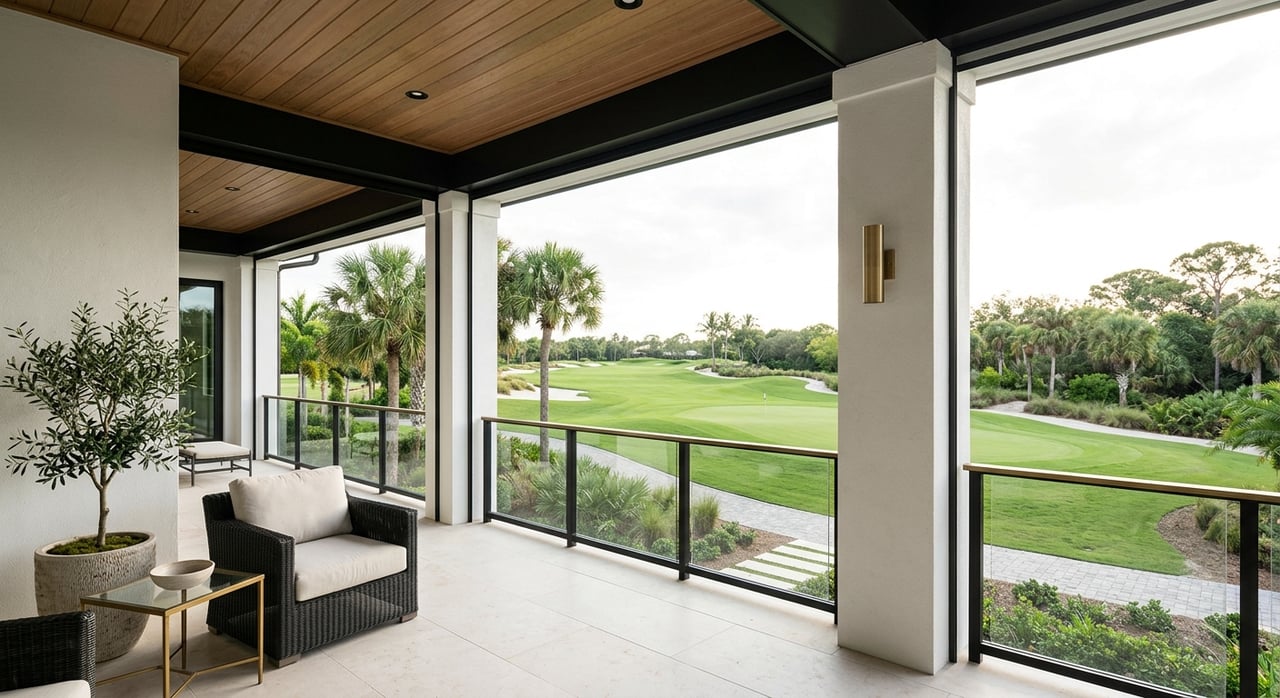
Wondering whether a golf-course home in Coral Gables is worth the premium? If you are drawn to open fairway views, mature landscaping, and a country-club feel, the answer can be yes, but only if you understand what you are really buying. In Coral Gables, a golf-course purchase is as much about lifestyle, exposure, and long-term market fit as it is about the house itself. Let’s dive in.
Why Coral Gables Golf Homes Stand Out
Coral Gables has a distinct backdrop for golf-course living. The city describes itself as the “City Beautiful” and “Garden City,” and it notes that more than 1,000 properties are on the Coral Gables Register of Historic Places. That gives many golf-adjacent areas a sense of established character, mature greenery, and a more defined residential setting.
For buyers, that matters because golf-course homes here are not sitting in a generic suburban environment. They are part of a layered local landscape shaped by architecture, history, and long-standing neighborhood identity. That can make the right property feel especially compelling, but it also means lot quality and setting deserve close review.
Coral Gables Golf Options Explained
Coral Gables offers three very different golf environments. According to the city, Biltmore and Granada are city golf attractions with membership options, while Riviera Country Club is a private 18-hole club. Each creates a different experience for nearby homeowners.
Biltmore Golf Setting
The city describes Biltmore as a Donald Ross design from 1925, and Biltmore publicly promotes tee times, private golf membership, lessons, junior programs, and year-round activity. Its location at 1200 Anastasia Avenue and hotel backdrop add to its well-known profile.
If you buy near Biltmore, you are likely buying into a more active public-course atmosphere. That can appeal to buyers who want visible golf energy, regular play, and a recognizable Coral Gables landmark nearby.
Granada Golf Setting
Granada is a nine-hole course that the city says opened in 1923. While it does not carry the same private-club profile as Riviera, it still contributes to the city’s broader golf identity.
For some buyers, a property near Granada may offer golf-adjacent open space without the same social expectations tied to a private country club. That can be a meaningful difference when comparing lifestyle fit.
Riviera Country Club Setting
The city identifies Riviera as a private 18-hole course designed in 1924. Riviera’s public-facing materials show member login access, a dress code policy, and an active social calendar.
If you are considering a home near Riviera, it helps to understand that the club presents itself as an exclusive private environment. Riviera also states that it has a membership of 1,000 and an extensive wait list to join, which can make this segment of the market feel more specialized than a typical nearby neighborhood.
What You May Be Paying For
When buyers picture golf-course living, they often think of recreation first. In reality, the strongest value drivers are usually the view corridor, open space, and the lifestyle attached to the course next door.
A South Florida study from Florida Atlantic University found that properties adjacent to golf courses in Palm Beach, Broward, and Miami-Dade counties sold at an average premium of 8% to 12% in its 2015 transaction sample. That suggests buyers in this region may pay more for course-adjacent homes.
Still, that premium is not automatic. Research is mixed, and some studies suggest the added value may come as much from preserved open space as from golf itself. In practice, that means you should evaluate each Coral Gables property on its exact lot position, view quality, and relationship to the course, not on the golf label alone.
Golf-Course Value Is Lot Specific
Two homes on the same course can perform very differently. A house with a wide, open fairway outlook may attract stronger interest than one with limited views, more exposure, or less privacy.
This is one of the biggest differences between golf-course homes and nearby non-golf properties. A non-golf home may appeal to a broader buyer pool, while a golf-course home often depends more heavily on a narrower set of features and a buyer who truly values that setting.
That narrower appeal is not necessarily a drawback. It can help the right home stand out, but it may also make resale more sensitive to course condition, reputation, and long-term desirability.
Lifestyle Matters as Much as Real Estate
In Coral Gables, the golf decision is often partly about club culture. Biltmore offers year-round golf, lessons, junior programs, and on-site dining, while Riviera promotes dining, tennis, fitness, family events, and social programming in a private-club setting.
That means your purchase decision should go beyond the lot line. You are also choosing the rhythm of the area around you, whether that is a more public golf environment, a private club atmosphere, or a conventional Coral Gables setting without golf-specific activity.
Everyday Tradeoffs to Expect
Golf-course living can be beautiful, but it is rarely passive. Buyers should plan for the practical realities that come with open-edge lots and nearby recreational activity.
Biltmore publicly posts maintenance closures, range closures, tournament windows, and early play hours. Riviera also publishes a full calendar of golf, fitness, social, and family events. Even if your home is outside the club itself, you may still notice patterns in traffic, activity, and event timing.
There are also the typical golf-side tradeoffs. Some lots have less privacy, more exposure, and some risk from errant golf balls or maintenance operations. A district-government golf etiquette guide for residential communities notes that homeowners on golf courses understand the potential for noise and damage from errant golf balls.
Insurance and Flood Review in Miami-Dade
In Miami-Dade, insurance and flood review deserve extra attention before you buy. County guidance says flood-zone confirmation is available through county hotline and GIS tools, and it highlights the importance of an elevation certificate.
The county also states that flood insurance is required for federally backed mortgages in a Special Flood Hazard Area, and that flood policies may take time to become effective. Florida’s insurance office adds that flood damage is not typically covered by a standard homeowners policy and often must be purchased separately.
For buyers, the takeaway is simple. Before moving forward, confirm flood-zone status, ask whether an elevation certificate is available, and review insurance costs early in the process. This step matters on any South Florida purchase, but it is especially important when you are evaluating a premium-priced lifestyle property.
How to Compare Golf and Non-Golf Homes
If you are torn between a golf-course home and a nearby non-golf property, it helps to frame the decision in practical terms. You are not just comparing houses. You are comparing exposure, lifestyle, buyer pool, and long-term flexibility.
Here are a few smart questions to ask yourself:
- Do you value open fairway views enough to pay for them?
- Are you comfortable with less privacy on some lots?
- Does the nearby course or club enhance your daily lifestyle, or is it simply a backdrop?
- If the course experience changes over time, would the home still feel compelling to you?
- Are you looking for a more public golf environment near Biltmore or a more exclusive private-club atmosphere near Riviera?
These questions can help you separate a true lifestyle fit from a property that simply looks appealing on first impression.
A Smart Buying Approach in Coral Gables
The best golf-course purchases tend to be thoughtful, not impulsive. In Coral Gables, that means looking closely at the micro-location, the exact lot exposure, the activity patterns nearby, and the long-term appeal of the golf setting.
It also means understanding that this market is segmented. The city’s golf landscape clearly includes public-course options and a private-club option, and each draws a different kind of buyer. That is why a concierge-style search can be especially helpful when you want more than a simple bedroom-and-bathroom comparison.
If you are considering buying on or near a Coral Gables golf course, the goal is to match the property to the life you actually want to live. The right home can offer scenery, space, and a distinctive sense of place, but the details matter. When you want local guidance that looks beyond the listing photos, connect with Vella Real Estate.
FAQs
What makes Coral Gables golf-course homes different from other homes?
- Coral Gables golf-course homes are often valued for their fairway views, open space, and club-oriented setting, and their appeal can depend more heavily on lot position and course reputation than a typical nearby home.
What golf-course premium have South Florida buyers paid?
- A Florida Atlantic University study found that adjacent golf-course properties in Palm Beach, Broward, and Miami-Dade counties sold at an average premium of 8% to 12% in its 2015 sample, but that premium is location-specific and not guaranteed.
What should buyers know about homes near Biltmore Golf?
- Buyers near Biltmore should expect a public-facing golf environment with tee times, lessons, junior programs, year-round activity, and posted maintenance or tournament schedules that may affect nearby activity patterns.
What should buyers know about homes near Riviera Country Club?
- Buyers near Riviera should understand that it is a private club setting with an exclusive identity, social programming, dress-code rules, and a more specialized market feel tied to club culture.
What are the risks of buying on a golf course in Coral Gables?
- Common tradeoffs can include less privacy on some lots, more open exposure, nearby maintenance activity, event-related traffic, and potential noise or damage from errant golf balls.
What flood insurance issues matter for Coral Gables buyers?
- Miami-Dade County says buyers should confirm flood-zone status, review whether an elevation certificate is available, and understand that flood insurance may be required for certain mortgages and is not typically included in a standard homeowners policy.
